Georgia recorded 1,765 severe storm events in 2024 alone, ranking it among the top 10 most storm-battered states in the country. Yet most homeowners don’t realize how easily an insurance claim can be denied, delayed, or underpaid after a storm hits. The gap between what you expect your policy to cover and what actually gets approved is wide, and it costs North Georgia families thousands of dollars every year. In this article, we’ll walk you through how roof storm damage affects your insurance coverage, what insurers look for when they evaluate claims, and exactly what you can do to protect yourself before and after the next big storm.
Table of Contents
- The reality of roof storm damage in North Georgia
- How insurance evaluates roof storm damage
- Regional factors: Why Georgia’s storms complicate insurance claims
- Reducing your risk and maximizing insurance value
- Our perspective: Why insurance reality is more complex than the policy says
- Need expert storm damage help? We’re here for you
- Frequently asked questions
Key Takeaways
| Point | Details |
|---|---|
| Frequent storms, big impact | North Georgia faces some of the nation’s highest storm-related roofing insurance losses. |
| Know what’s covered | Insurance usually covers functional roof damage but not cosmetic issues after storms. |
| Documentation is key | Photos, professional inspections, and good records increase your chances for a successful insurance claim. |
| Materials can lower costs | Class 4 impact-resistant shingles may earn you insurance discounts in Georgia. |
| Expert help matters | Professional guidance and advocacy can help you navigate complex insurance challenges. |
The reality of roof storm damage in North Georgia
North Georgia sits in a region where severe weather is not a rare event. It’s a seasonal expectation. Hailstorms, high winds, and occasional tornadoes move through the area regularly, and your roof takes the brunt of every single one.
The scale of the problem is significant. Georgia’s roofing claims market is valued at $1.2 billion annually, a number that reflects just how much storm-related roof damage occurs across the state. For individual homeowners, the financial impact ranges widely depending on the severity of damage and the type of roofing material involved.
Here’s a quick look at average storm damage costs homeowners face:
| Damage type | Average repair cost | Typically covered? |
|---|---|---|
| Hail impact (granule loss) | $3,000 to $8,000 | Often yes, if functional |
| Wind shingle lift or loss | $1,500 to $6,000 | Yes, in most policies |
| Tornado or major wind event | $10,000 to $35,000+ | Yes, with documentation |
| Cosmetic surface damage | $500 to $2,500 | Usually no |
The most common types of storm damage to North Georgia roofs include:
- Hail impact: Dents shingles and causes granule loss, which accelerates aging and shortens roof lifespan
- Wind shingle lifting: High winds pull shingles up at the edges or tear them off entirely, exposing the underlayment
- Debris impact: Falling branches or airborne materials crack or puncture shingles
- Water infiltration: When protective layers are compromised, water finds a way in fast
One misconception we hear constantly: “It doesn’t look that bad, so insurance probably won’t cover it.” That thinking keeps homeowners from filing claims they’re fully entitled to. Granule loss from hail, for example, may look minor on the surface, but it cuts years off your roof’s life. Insurers consider this functional damage. You can stay up to date on recent Georgia storms to understand how active storm seasons have been in your area.
Another misunderstanding involves depreciation. When an insurer pays an actual cash value (ACV) settlement, they subtract depreciation from the replacement cost. That means you might receive significantly less than what a new roof actually costs, especially on an older roof. Understanding this upfront can change how you approach a claim.
How insurance evaluates roof storm damage
Understanding the damage is only half the equation. You also need to know how insurance companies judge and respond to it.
Insurers draw a critical line between functional damage and cosmetic damage. According to IBHS impact ratings, functional damage compromises your roof’s ability to keep water out or meet building codes, and that’s what gets covered. Cosmetic damage, such as surface scuffs or minor dents that don’t affect performance, typically does not qualify for a payout.
Here’s how adjusters typically assess your roof after a storm:
- Visual inspection of the exterior: Adjusters look for missing shingles, visible punctures, and signs of hail strikes
- Interior inspection for leaks: Water stains on ceilings or walls indicate functional failure
- Photo documentation review: Your own photos and a contractor’s report carry significant weight
- Comparison to storm data: Adjusters cross-reference the damage with local weather reports to confirm the event occurred
- Age and maintenance history: An older, poorly maintained roof may face partial denial or higher depreciation
“Hail causes granule loss that accelerates aging, and wind can lift shingles in ways that aren’t immediately visible from the ground. Both qualify as functional damage when properly documented.” — IBHS
Reviewing shingle performance data from independent organizations like IBHS can actually help you build your case, since it establishes what kinds of impacts legitimately cause functional damage.
Why do some claims get denied? The most common reasons are insufficient documentation, damage attributed to wear and tear rather than a storm event, and cosmetic-only findings. If your claim is denied, you have the right to dispute it. Request a written explanation, gather a second professional inspection, and consider filing a formal appeal.
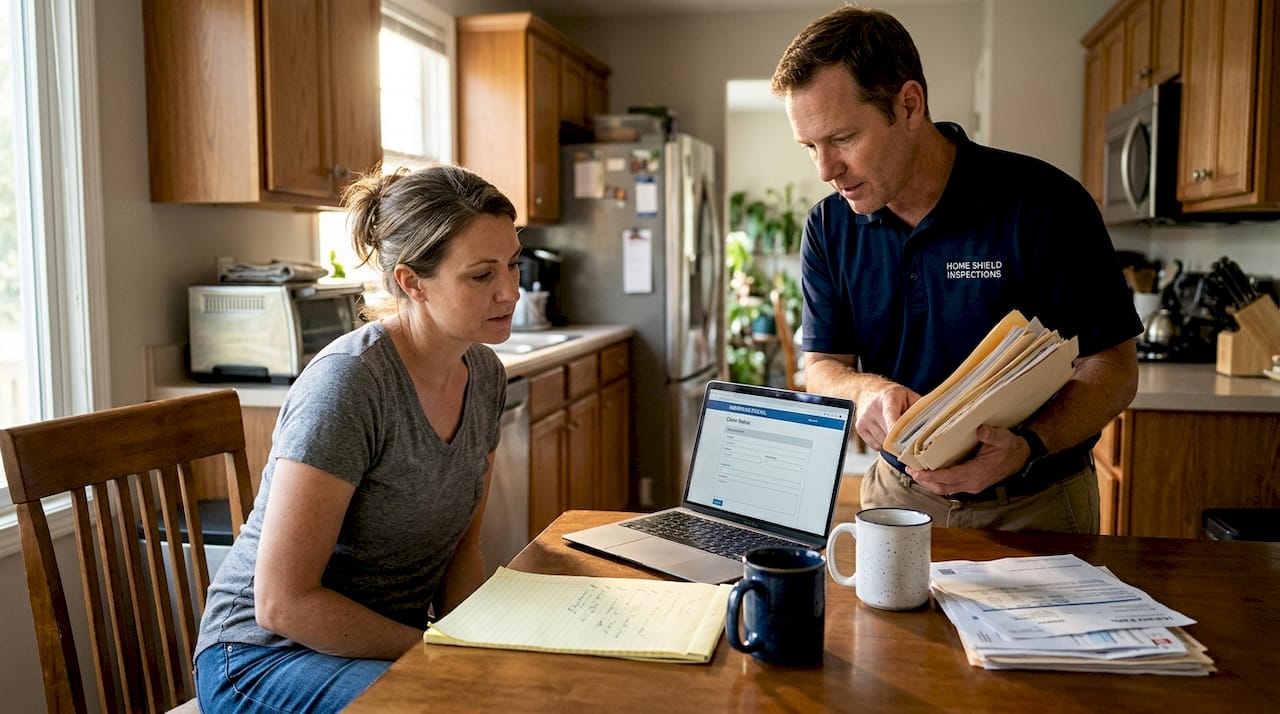
Pro Tip: The single factor that speeds up claim approvals most often is having a professional contractor’s written inspection report ready before the adjuster arrives. It sets the standard for what the adjuster needs to address. You can review the full storm damage repair process to understand what documentation matters most.
Regional factors: Why Georgia’s storms complicate insurance claims
With claim decisions sometimes varying, it’s crucial to consider how Georgia’s unique environment stacks the deck.
Georgia’s storm frequency is not slowing down. The state recorded 1,765 storm events in 2024, placing it firmly in the top 10 nationally. Insurers are paying attention, and their response has been to tighten underwriting standards and apply stricter scrutiny to every claim filed.
Here’s what North Georgia homeowners are dealing with in 2026:
- Higher deductibles: Many policies now include separate wind and hail deductibles, sometimes 1% to 3% of your home’s insured value
- Increased inspection frequency: Insurers are conducting more proactive inspections before renewing policies
- Coverage exclusions: Some policies now exclude certain types of cosmetic damage or limit payouts on roofs over 10 to 15 years old
- Premium increases: Rates in high-frequency storm zones have risen noticeably over the past three years
Georgia’s updated building codes also play a role in how claims are evaluated. Appendix Q of Georgia’s 2026 code updates emphasizes disaster resilience standards. If your roof doesn’t meet current code at the time of repair, insurers may require code-upgrade work, which could affect your settlement amount. Understanding these key commercial roofing codes can also help residential homeowners understand what standards apply.
Insurance companies are responding to a national pattern of rising losses tied to climate volatility. According to insurance industry analysis, carriers are facing 10% to 20% loss ratios from severe weather events, pushing them to reassess risk aggressively.
Pro Tip: If you receive a low settlement offer, don’t accept it immediately. Ask your insurer for a detailed breakdown of how the number was calculated. You have the right to request a re-inspection or dispute the decision formally. Many homeowners leave money on the table simply because they don’t ask.
Reducing your risk and maximizing insurance value
Knowing the risks and trends is only part of the solution. Here’s what you can do right now to protect your home and wallet.
The most effective thing you can do is be proactive, not reactive. Routine maintenance and smart material choices can make a measurable difference both in storm outcomes and insurance costs.
Actionable steps to protect your home and strengthen future claims:
- Schedule annual roof inspections: A professional inspection once a year catches small issues before they become claim-denying pre-existing conditions
- Repair minor damage promptly: Replacing a few shingles now prevents an insurer from attributing future storm damage to neglect
- Install Class 4 impact-resistant shingles: IBHS independently rates shingles, and Class 4 products are the top performers in hail zones, like much of North Georgia
- Document everything: After any storm, photograph your entire roof from multiple angles and keep dated records
- Work only with licensed contractors: A licensed roofer’s signed inspection report carries legal and professional weight with adjusters
Class 4 impact-resistant shingles deserve special attention. These shingles are designed to withstand direct hail impacts without cracking or losing granules at the same rate as standard products. Many insurers in Georgia offer premium discounts of 10% to 30% for homes upgraded to Class 4 materials, which means the investment pays itself back faster than most homeowners expect.
Pro Tip: Keep a dedicated folder, either physical or digital, with your roof installation date, warranty documents, past repair receipts, and all storm photos. When a claim comes in, having this ready can cut weeks off the review process and support a higher settlement.
Regular maintenance isn’t just good home care. It signals to insurers that you are a responsible policyholder, which can work in your favor at renewal time and during the claims process.
Our perspective: Why insurance reality is more complex than the policy says
We’ve covered what to expect and how to protect yourself, but the bigger picture of insurance claims in Georgia needs some honest perspective.
After years of working with North Georgia homeowners through storm claims, we’ve seen something most articles don’t talk about directly: the insurance system is not designed to make the process easy for you. It’s designed to manage risk and limit payouts wherever the rules allow.
Insurers are tightening coverage because claim inflation and fraud are real problems. Rising losses from climate volatility drive carriers to scrutinize every submission more carefully. That’s understandable from a business standpoint. But the side effect is that legitimate homeowners with genuine storm damage find themselves fighting for fair payouts.
This is where public adjusters come in. A public adjuster works for you, not the insurance company. They assess your damage independently and advocate for the maximum settlement your policy allows. Many homeowners don’t know this option exists until after they’ve already accepted a low offer.
Our honest advice: don’t wait until you feel stuck. Get a professional storm damage inspection from a qualified contractor early in the process. Strong documentation from the start changes the entire trajectory of a claim. Knowledge and preparation are your best tools.
Need expert storm damage help? We’re here for you
If your North Georgia home has been hit by a recent storm, you don’t have to navigate the insurance process alone. At Infinity Roofing GA, we’ve been helping homeowners get their roofs repaired and their claims approved since 2018. We know exactly what insurers look for, and we document damage thoroughly to give your claim the best possible foundation.

Our team offers same-day responses, professional inspections, and full insurance claim support from start to finish. Whether you need a quick repair or a full storm damage restoration, we’re ready to help. Check out our full repair guide to understand every step in the process, or contact us directly to schedule your free inspection today. We’re licensed, insured, and proud to serve your community.
Frequently asked questions
What types of roof storm damage does insurance usually cover in Georgia?
Insurance typically covers functional roof damage that compromises waterproofing or structural integrity, such as broken or missing shingles and hail punctures, while cosmetic surface damage without performance impact is usually excluded.
How can I maximize my roof insurance claim after a storm?
Document all visible damage with dated photos immediately after the storm, schedule a professional inspection before the adjuster visits, and keep organized records of all past maintenance and repairs to prevent claim denials based on neglect.
Do roofing materials affect my insurance rates in North Georgia?
Yes. Installing Class 4 rated shingles can qualify you for premium discounts of 10% to 30% with many Georgia insurers, since these materials are independently tested to perform better under hail and high-wind conditions.
Why do insurance companies sometimes deny roof storm claims?
Claims are most often denied when damage is classified as cosmetic only, when evidence points to pre-existing wear and tear rather than a specific storm event, or when the homeowner lacks documentation to support the claim.
How often do roof storm events occur in Georgia?
Georgia experienced 1,765 severe storm events in 2024, placing it among the top 10 most storm-affected states in the country, making storm preparedness a year-round concern for homeowners.
Recommended
- How to repair your storm damaged roof: step-by-step guide
- Blog – Infinity Roofing GA
- Strengthen your business: The crucial role of roofing in safety
- Essential commercial roofing checklist for North Georgia buildings
- Gutters & hurricanes: protect your Central Florida home
- How glazing affects home insurance: compliance, costs, claims