You wake up to water stains on your ceiling, or you step outside after a storm and notice shingles scattered across your yard. That sinking feeling is something we hear about from homeowners all across North Georgia every week. What happens next is where most people get stuck. The process of replacing a roof can feel overwhelming, especially when insurance claims, contractor choices, and material decisions are all happening at once. This guide walks you through every key step, from spotting the first warning signs to verifying a quality finished product, so you can move forward with confidence and avoid costly mistakes.
Table of Contents
- Signs your North Georgia roof needs replacement
- Preparing for roof replacement: Inspection, documentation, and choosing contractors
- Step-by-step: Roof replacement process for Georgia homes
- Insurance and quality assurance: Navigating claims and verifying results
- What most guides miss about roof replacement in North Georgia
- Next steps: Connect with expert help for your roof replacement
- Frequently asked questions
Key Takeaways
| Point | Details |
|---|---|
| Know the warning signs | Missing shingles, leaks, and aging indicators signal the need for roof replacement in North Georgia. |
| Prep is crucial | Proper inspection, documentation, and contractor selection set the stage for a smooth roof replacement. |
| Understand each step | Homeowners should follow the process from estimate to cleanup, verifying quality and insurance details throughout. |
| Quality and compliance matter | Choose licensed and insured contractors to protect your investment and avoid costly errors. |
| Insurance requires documentation | Strong records and clear communication with your insurer increase your chances for claim approval and maximum coverage. |
Signs your North Georgia roof needs replacement
Catching roof problems early is one of the best financial decisions you can make as a homeowner. A small issue that gets ignored can turn into a full interior water damage situation within one rainy season here in Georgia.
Common signs to watch for:
- Missing or cracked shingles, especially after heavy wind or thunderstorms
- Granule loss showing up in your gutters or at downspout exits (granules are the small, gritty coating on asphalt shingles that protect them from UV rays and heat)
- Visible moss or algae growth, which traps moisture and accelerates shingle breakdown
- Water stains on ceilings or walls inside your home
- Sagging areas on the roof deck, which often signal rotting wood underneath
- Daylight visible in your attic when you look up
Storm-specific warning signs are especially relevant here in North Georgia, where we see hail, high winds, and heavy rain throughout the year. After a significant storm, look closely for hail dents on shingles, fascia, and gutters. Even soft metal vents can show hail impact, and that evidence matters for your insurance claim. Wind damage often creates lifted or curling shingle edges that allow water to get underneath.
The age of your roof is just as important as visible damage. Architectural shingles have a typical lifespan of 25 to 30 years in the Georgia climate, but factors like poor attic ventilation, frequent storm exposure, and installation quality can shorten that window significantly. If your roof is approaching 20 years old, it deserves a close look even if you haven’t spotted obvious damage yet.
Working with a 5-star roofing company for an annual or post-storm inspection is money well spent. An experienced roofer can find issues in flashing, valleys, and underlayment that simply aren’t visible from the ground. The benefits of using an insured roofer extend to protecting yourself from liability if something goes wrong during the inspection or repair process.
Pro Tip: Early detection can save thousands. A minor flashing repair that costs a few hundred dollars today can prevent a $15,000 interior water damage situation if left unchecked through a wet Georgia summer.
Preparing for roof replacement: Inspection, documentation, and choosing contractors
Once you suspect your roof needs replacement, preparation is everything. Rushing into a contract with the first roofer who shows up after a storm is one of the most common and costly mistakes homeowners make in our area.
Start with a thorough inspection. Walk around your property after any significant storm and document what you see before anything is cleaned up or repaired. Look at your gutters, soffits, downspouts, and any visible sections of shingles. If it is safe, check your attic for signs of moisture, staining, or daylight. Do not attempt to walk on the roof yourself since wet or damaged shingles are a serious safety risk.
Document everything for your insurance claim. Take date-stamped photos from multiple angles. Note the date and severity of the storm. Keep receipts for any emergency tarping or temporary repairs you arrange. Write down the sequence of events: when the storm hit, when you noticed damage, and who you contacted. This paper trail directly supports your claim and protects you if there is any dispute with your insurer about the timeline.
Choosing the right contractor is critical. Here is what we recommend comparing before you sign anything:
| Criteria | What to look for | Red flags |
|---|---|---|
| Licensing | Valid Georgia state license | No license or refuses to show proof |
| Insurance | General liability and workers’ comp | Verbal assurance only, no certificate |
| Local experience | Years working in North Georgia | Out-of-state companies arriving post-storm |
| Reviews | 4.5 stars or higher, recent reviews | Few reviews, mostly old or generic |
| Written estimate | Itemized, detailed scope of work | Verbal quote only |
| Warranty | Manufacturer and workmanship warranty | No written warranty offered |
Licensed roofing contractors are required to meet Georgia’s building code standards, and that licensing is there to protect you. Storm-chasing contractors who arrive from out of state after a major weather event are a real risk in our region. They may offer a low price but disappear before warranty issues arise. Always ask for a Georgia contractor license number and verify it yourself.
The cost of a quality roof replacement in Georgia typically runs $5 to $9 per square foot installed, or $9,000 to $18,000 for the average 1,700 to 2,000 square foot home. A contractor quoting significantly below that range should raise questions about material quality and labor practices.
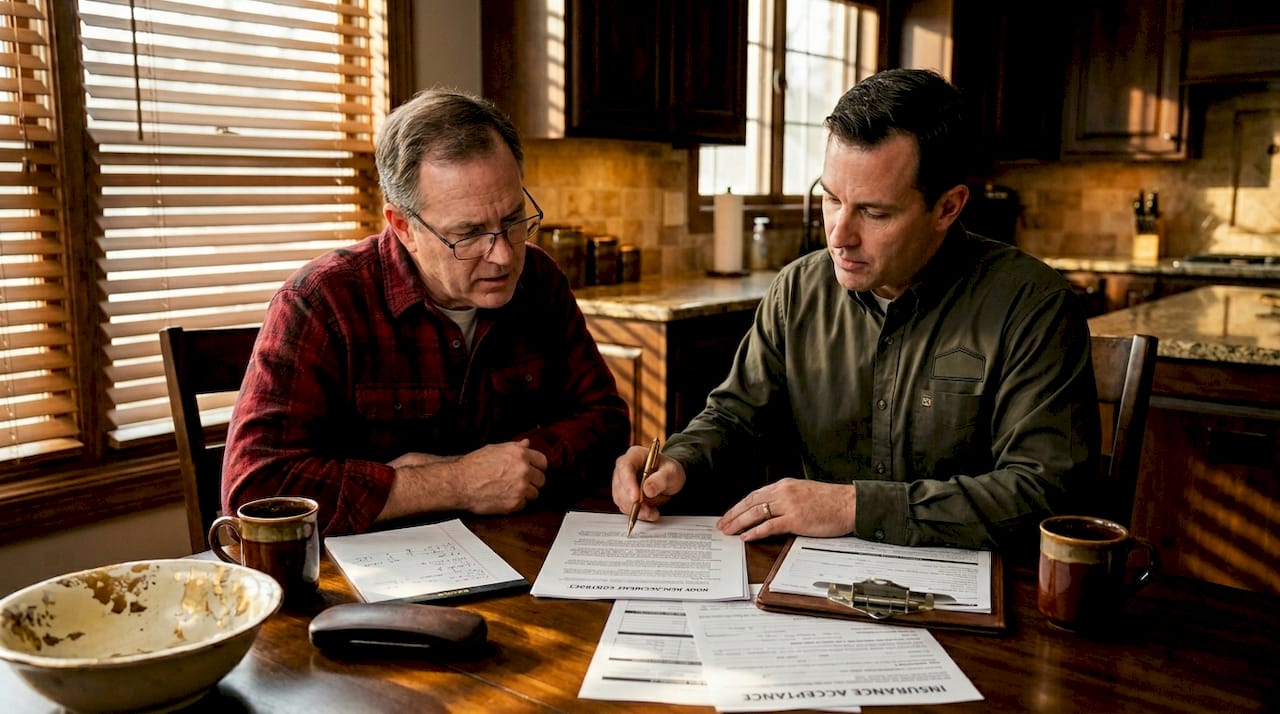
Pro Tip: Before signing any contract, ask the contractor to show you their current certificate of insurance. Call the insurance company directly to verify the policy is active. This single step protects you from financial liability if a worker is injured on your property.
Step-by-step: Roof replacement process for Georgia homes
Knowing what to expect at each stage of the process removes the anxiety from what can otherwise feel like a stressful experience. Here is how a professional roof replacement typically unfolds:
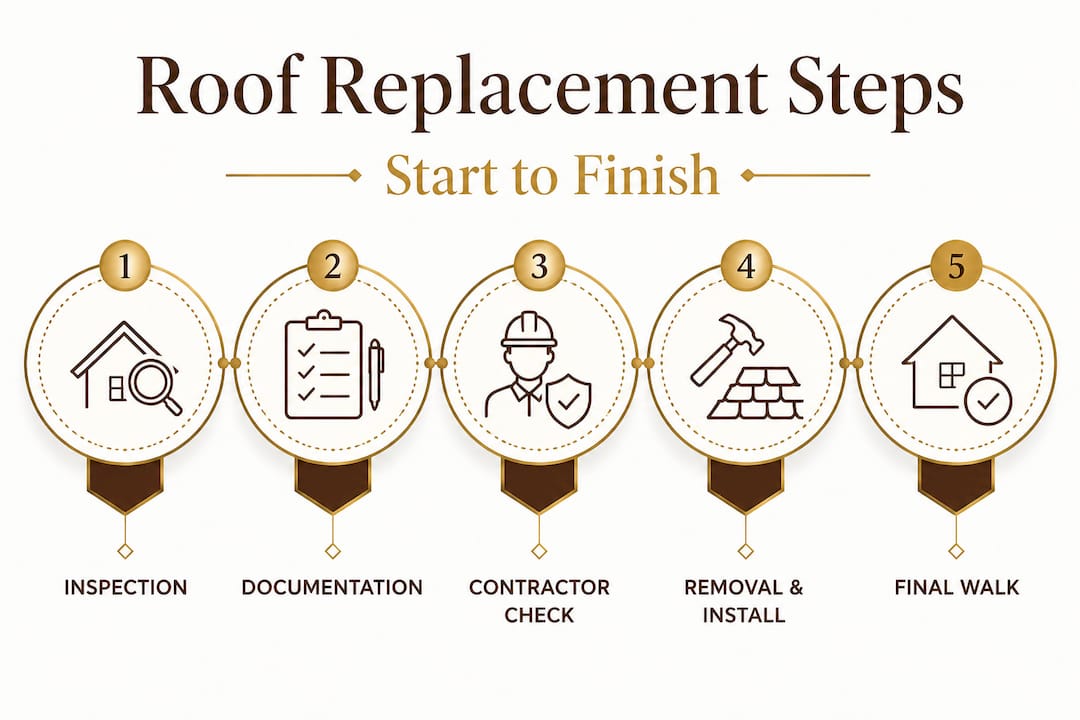
- Initial inspection. A licensed contractor inspects your roof, attic, and interior for damage. They document findings with photos and notes to support your insurance claim.
- Estimate and scope of work. You receive a written, itemized estimate covering labor, materials, disposal, and any necessary structural repairs. Compare this against at least one other qualified bid.
- Material selection. You choose your shingle style, color, and manufacturer. In North Georgia, impact-resistant shingles are worth discussing given our hail frequency. Your contractor should walk you through warranty differences between manufacturers.
- Contract signing. Review the contract carefully. It should include the full scope of work, payment schedule, start and completion dates, cleanup responsibilities, and warranty terms.
- Pre-work preparation. Your contractor will schedule material delivery, arrange a dumpster for old roofing materials, and notify you of the crew arrival time. Move vehicles out of the driveway and warn neighbors about potential noise.
- Tear-off. The existing shingles, underlayment, and in some cases damaged decking are removed. This is the loudest phase. Inspecting the exposed deck for rot or soft spots is a key part of this step.
- Installation. New underlayment is applied first, followed by drip edge, flashing, and then the new shingles. Flashing around chimneys, vents, and valleys is critical and should be done with care.
- Cleanup and final walkthrough. A quality contractor uses a magnetic roller to collect nails from your yard, removes all debris, and walks the property with you to confirm the work is complete.
| Step | Typical duration | Cost component |
|---|---|---|
| Inspection and estimate | 1 to 2 days | Usually free |
| Material delivery | 1 to 3 days lead time | Included in contract |
| Tear-off | Half to full day | Included in labor |
| Installation | 1 to 2 days | Primary labor and material cost |
| Cleanup and walkthrough | 2 to 4 hours | Included in contract |
“Safety and code compliance are not optional extras. Every phase of a roof replacement in Georgia must meet local building codes, and your contractor should be pulling the required permits. A permit protects you when it comes time to sell your home or file an insurance claim on future damage.”
The full process of safe, compliant roof work requires attention at every stage. Understanding residential roofing basics before your contractor arrives means you can ask the right questions and recognize quality work when you see it.
Insurance and quality assurance: Navigating claims and verifying results
For most North Georgia homeowners dealing with storm damage, insurance is what makes roof replacement financially manageable. Navigating the claims process correctly can mean the difference between full coverage and a partial payout that leaves you out of pocket.
How to file a claim and maximize your coverage:
- Contact your insurer promptly after the storm. Most policies have a deadline for reporting damage, often 30 to 60 days after the event.
- Share your photo documentation and the date of the storm with your adjuster.
- Request that your roofing contractor be present during the adjuster’s inspection. An experienced roofer can point out damage that an adjuster might overlook.
- Review the adjuster’s estimate carefully. Compare it line by line against your contractor’s estimate.
- If the adjuster’s figure seems low, you have the right to request a reinspection or hire a public adjuster.
A step-by-step approach to home insurance claims for roof repairs can help you understand exactly what your policy covers and how to build a strong claim file.
Quality assurance checklist after installation:
- Verify shingles are properly aligned and fastened, with no visible gaps or lifted edges
- Check that all flashing is sealed and secure around chimneys, vents, and valleys
- Confirm gutters and downspouts were reattached correctly
- Review the attic to make sure underlayment and ventilation are intact
- Ask for the manufacturer warranty certificate and the contractor’s workmanship warranty in writing
“Never assume the job is done correctly just because it looks good from the street. Request a final written inspection report from your contractor and keep a copy with your home records. This document is valuable for insurance purposes and resale.”
The financial protection of working with an insured roofer goes beyond the installation itself. If damage occurs during the project or a problem surfaces within the warranty period, you have clear legal and financial recourse.
Pro Tip: Request your full warranty documentation before your contractor leaves the job site. Ask specifically for the manufacturer’s shingle warranty, the underlayment warranty, and the contractor’s labor warranty. File all three together in a safe place.
The typical cost range of $9,000 to $18,000 for a residential replacement in Georgia makes your insurance coverage critically important. Getting the claim right the first time means you are not absorbing unexpected costs out of pocket.
What most guides miss about roof replacement in North Georgia
Most articles about roof replacement treat the process as if geography doesn’t matter. We disagree, and our experience serving North Georgia since 2018 backs that up.
North Georgia’s climate is genuinely demanding on roofing systems. We see hot, humid summers that bake shingles, ice events in the winter that stress flashing seals, and a severe storm season that brings both high winds and hail. A contractor who has worked primarily in a dry climate or a coastal region does not have the same instincts for what our homes need. Regional expertise is not a sales point. It is a practical necessity.
Here is something most guides also skip: insurance estimates are not final. Many homeowners accept the first adjuster estimate as if it were a court ruling. It isn’t. Adjusters work quickly, often covering many properties after a major storm event, and items get missed. We have seen situations where a homeowner’s approved amount increased significantly after a contractor-assisted reinspection revealed overlooked damage to ventilation, flashing, or gutters. You are allowed to push back, and you should.
The cleanup and post-project phase is another area that gets glossed over. We have seen properties where nails were left in landscaping, downspouts were reattached incorrectly, and attic vents were blocked by new shingles. These are real consequences of rushed work, and they create real follow-up costs. Always walk the full property before your contractor leaves.
One lesson we keep coming back to is the value of a written checklist. Before any project starts, we create a document that covers every phase from material delivery to final inspection. We check off each step as it’s completed. It sounds simple, and it is. But it creates accountability at every stage and gives homeowners a clear record of what was done and when.
The lowest bid is almost never the best value. We understand cost matters, and we always offer fair, honest pricing. But a roof installed below market rate often reflects corners cut on materials, labor quality, or both. When you’re weighing bids, look at the whole picture: licensing, reviews, warranty terms, and what specifically is included in the scope of work. Finding a reputable contractor takes a little more time upfront, but it is the single best way to protect your investment long term.
Next steps: Connect with expert help for your roof replacement
Knowing the process is a strong start. Having the right team to walk through it with you makes all the difference.

At Infinity Roofing GA, we specialize in making roof replacement straightforward and stress-free for North Georgia homeowners. Whether you’re dealing with fresh storm damage repair or an aging roof that’s ready for replacement, we bring licensed expertise, honest estimates, and full insurance claim support to every project. We guide you through the entire insurance claims process from documentation to final payout, so you get the maximum coverage you’re entitled to. Homeowners across Dallas, Marietta, and the greater Atlanta area trust us because we treat every roof like it’s our own. Reach out today for a same-day response and a free inspection.
Frequently asked questions
What is the typical cost for roof replacement in North Georgia?
The average cost to replace a residential asphalt shingle roof in Georgia is $9,000 to $18,000 for a 1,700 to 2,000 square foot home, depending on materials and labor scope.
How long should an architectural shingle roof last in Georgia?
Architectural shingles typically last 25 to 30 years in the Georgia climate, though poor ventilation or severe storm exposure can reduce that lifespan.
What documentation do I need for an insurance claim on my roof?
You’ll need date-stamped photos of all damage, maintenance records, receipts for any prior repairs, and a written inspection report from your licensed roofing contractor submitted alongside your claim.
How can I verify if my new roof was installed properly?
Request a written workmanship warranty and manufacturer’s shingle warranty before your contractor leaves, and walk the full property together to confirm shingle alignment, flashing, gutter reattachment, and yard cleanup are all complete.