Most homeowners think of pressure washing as a once-in-a-while cosmetic fix. Wash the driveway when it gets gray, spray down the deck before a cookout, and call it done. But why regular pressure washing matters goes far deeper than appearances. Done consistently, it stops biological growth, moisture damage, and surface deterioration before they turn into expensive repair bills. This article walks you through exactly what pressure washing does, how often you need it, how to do it right, and what happens when you skip it too long.
Table of Contents
- Key Takeaways
- What pressure washing actually is
- The real benefits of pressure washing regularly
- How often to pressure wash your property
- Best practices and mistakes to avoid
- What happens when you skip regular cleaning
- My take on pressure washing as real maintenance
- Protect your home with trusted exterior cleaning
- FAQ
Key Takeaways
| Point | Details |
|---|---|
| Pressure washing prevents costly damage | Removing moisture-trapping buildup stops rot, cracking, and premature material failure before repairs become necessary. |
| Annual cleaning suits most homes | Spring is the best time for siding; driveways and decks have their own ideal schedules based on use and exposure. |
| Method matters as much as frequency | Using the wrong PSI or nozzle angle can damage paint, seals, and siding, so technique is non-negotiable. |
| Neglect accelerates deterioration | Biological growth left on surfaces traps moisture and speeds up oxidation, rot, and freeze-thaw damage year-round. |
| Professional help is sometimes the right call | Soft washing and surface-specific techniques require knowledge and equipment that most DIY setups cannot safely replicate. |
What pressure washing actually is
Pressure washing uses a high-pressure water stream to blast away dirt, mold, mildew, algae, and other buildup from exterior surfaces. The machine pulls water through a pump and forces it out through a nozzle at a controlled pressure, measured in PSI (pounds per square inch). Different nozzles fan the spray at different angles, from a concentrated zero-degree stream to a wide 65-degree fan, giving you control over how much force hits the surface.
You have probably heard the terms pressure washing, power washing, and soft washing used interchangeably. They are not the same thing:
- Pressure washing uses unheated, high-pressure water. Best for concrete, brick, and stone.
- Power washing adds heated water to the mix, which helps cut through grease and heavy grime on driveways and commercial surfaces.
- Soft washing uses low pressure with a cleaning solution, then a gentle rinse. This is the safest method for vinyl siding, wood, stucco, and roof surfaces.
Common areas cleaned on a residential property include siding, driveways, walkways, decks, patios, fences, and gutters. Each surface has different tolerance for pressure, which we will cover in the best practices section.
Pro Tip: Before pressure washing any surface, always test a small, hidden spot first. Even surfaces that look tough can show water damage or paint lifting if the pressure is too high.
The real benefits of pressure washing regularly
This is where regular pressure washing earns its keep. The benefits of pressure washing go well beyond a clean-looking driveway.
It stops damage before it starts
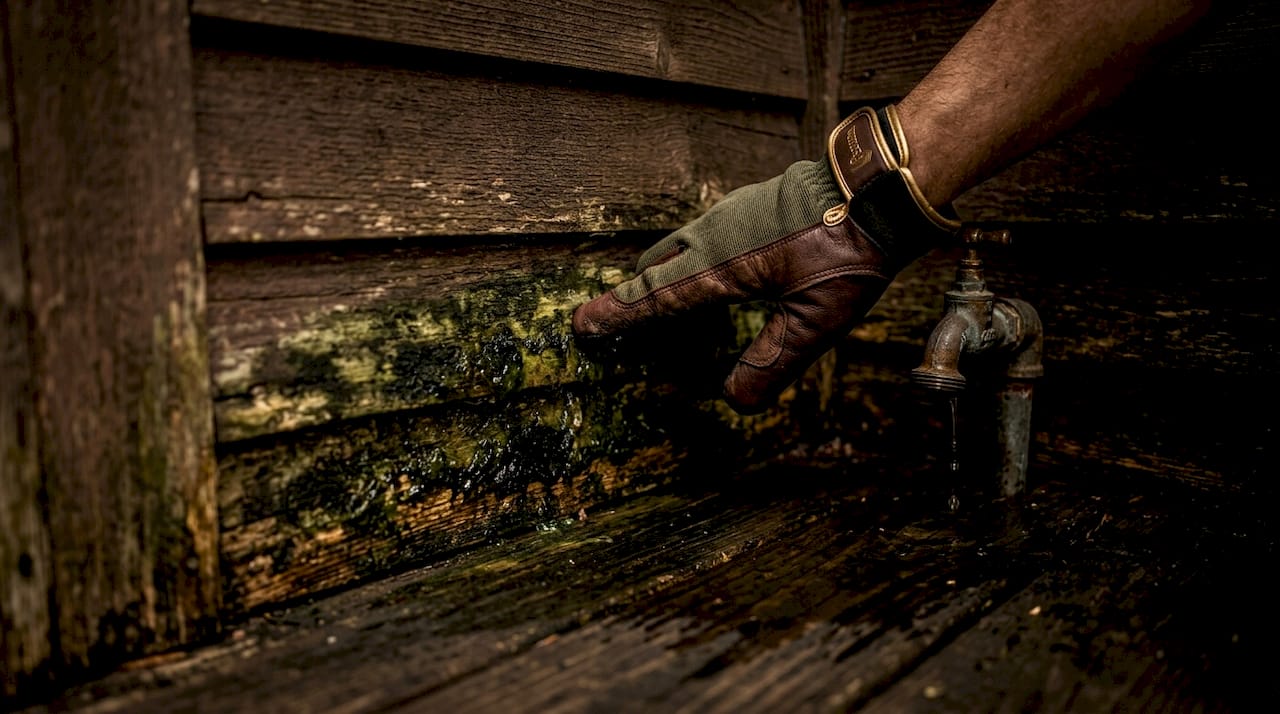
Algae, mold, and mildew do more than look bad. They hold moisture against your siding, concrete, and wood, and that trapped moisture is what causes rot, cracking, and structural deterioration. Biological growth traps moisture that accelerates oxidation and freeze-thaw damage, two of the most destructive forces working against your home’s exterior year after year.
It keeps your family safer
Algae and mildew on walkways, driveways, and deck boards become extremely slippery when wet. One wet morning and that growth becomes a genuine hazard. Beyond slip risks, exterior surfaces collect pollen, mold spores, and dust mites. Allergens on exterior surfaces become airborne when disturbed and can trigger respiratory issues for people spending time near those areas.
It saves money on repairs
Cleaning costs a fraction of what rot repair, concrete resurfacing, or deck replacement costs. Keeping surfaces clean means you catch problems early rather than discovering them after serious deterioration has set in. Neglected buildup causes rot, slippery surfaces, and premature material failure, all of which carry repair costs that dwarf the price of routine cleaning.
It boosts curb appeal and property value
Exterior cleaning supports better real estate photography and stronger buyer perception. If you are preparing to sell, a freshly washed exterior can meaningfully change how buyers feel before they ever walk through the door. You can learn more about how cleaning affects your home’s market value and appeal in a broader context.
It prepares surfaces for painting and staining
Professional painters often require pressure washing before they will start a job. And for good reason. Pressure washing removes chalking and mill glaze, and without doing so, paint and stain will not bond properly. Many painters will not warranty results on a surface that was not pressure washed first.
How often to pressure wash your property
The right schedule depends on where you live, what surrounds your home, and what surfaces you are maintaining. Most homes benefit from at least one thorough cleaning per year. Spring is the preferred timing for siding because winter leaves behind a layer of grime, salt residue, and biological growth that built up while temperatures were low.
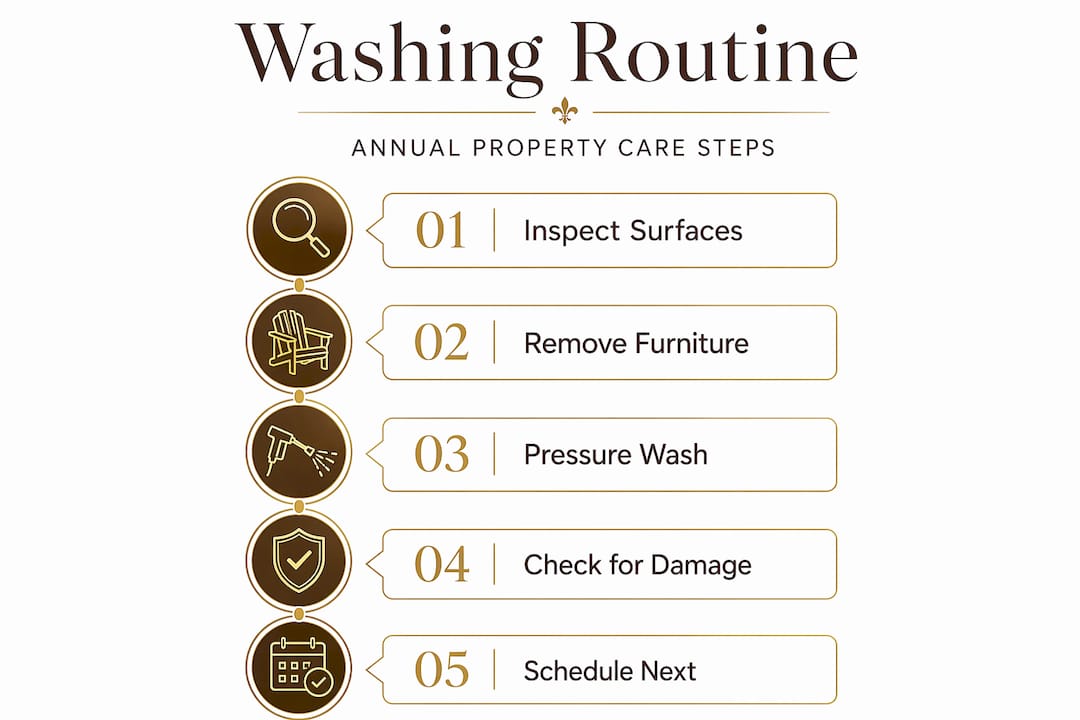
Here is a practical reference by surface:
| Surface | Recommended frequency | Notes |
|---|---|---|
| Siding (vinyl, wood, stucco) | Once per year | Spring preferred; soft wash for delicate materials |
| Driveway and walkways | One to two times per year | High-traffic areas accumulate oil and algae faster |
| Deck and patio | Once per year, before staining | Soft wash or low PSI for wood surfaces |
| Fences | Once per year | Check for rot while cleaning |
| Gutters (exterior) | Once to twice per year | Pairs well with gutter cleaning service |
Some situations call for more frequent cleaning. North-facing shaded areas under trees accumulate biological growth much faster than sun-exposed surfaces. If your home sits under heavy tree cover or in a consistently humid climate like North Georgia’s, plan on cleaning those sections more than once per year.
Signs you need to clean sooner than scheduled include visible green or black streaking, a slippery feel underfoot on walkways, dark staining on siding, or a chalky residue on painted surfaces.
Pro Tip: Schedule your pressure washing in spring before pollen season peaks. You will clear out the winter’s biological growth and have a clean slate before summer humidity arrives and encourages new algae growth.
Best practices and mistakes to avoid
Getting the frequency right is only half the job. How you pressure wash matters just as much.
-
Match PSI to the surface. Painted siding typically handles 1,200 to 1,500 PSI safely. Concrete driveways can take 2,500 to 3,000 PSI. Soft wood decks should stay below 1,200 PSI. Using too much pressure on the wrong surface strips paint, gouges wood, and breaks down seals around windows and doors.
-
Always spray downward. Spraying upward under siding panels forces water behind the cladding, where it gets trapped against the sheathing and causes rot from the inside out. Spraying upward under siding is one of the top causes of damage reported by homeowners who DIY without guidance.
-
Keep a safe spray distance. For most siding, 12 to 18 inches from the surface is the right range. Getting closer amplifies pressure against the surface and increases risk of damage. Moving too far back reduces effectiveness.
-
Use soft washing for delicate materials. Soft washing with detergent followed by a gentle rinse is safer and more effective on vinyl siding, stucco, and wood than high-pressure blasting. It kills the mildew rather than just moving it.
-
Choose the right nozzle. A zero-degree nozzle concentrates all the pressure into a single point and can damage almost any surface. For most residential cleaning, a 25-degree or 40-degree nozzle provides effective coverage without excess force.
When to call a professional rather than doing it yourself comes down to height, surface type, and comfort with the equipment. Two-story siding, roof surfaces, and any area requiring ladder work are best left to trained crews. High-pressure washing done incorrectly can damage paint, window seals, and siding, potentially allowing moisture intrusion that leads to far more expensive repairs than the job itself would have cost.
Pro Tip: If you are renting a pressure washer for a DIY project, ask the rental company which nozzle to use for each surface you plan to clean. A five-minute conversation can prevent hundreds of dollars in unintended damage.
What happens when you skip regular cleaning
The effects of neglecting pressure washing are not dramatic at first. That is actually the problem. Buildup happens slowly, and by the time you notice it clearly, deterioration has usually been underway for a while.
Here is what consistent neglect produces over time:
- Accelerated material breakdown. Dirt and organic growth sitting on siding, concrete, or wood constantly hold moisture against the surface. Combined with UV exposure, this speeds up cracking, fading, and structural weakening.
- Rot in wood structures. Decks, fences, and wood siding are particularly vulnerable. Once rot sets in, repair often means replacing sections entirely rather than just cleaning them.
- Freeze-thaw damage to concrete. Water trapped in surface pores expands when it freezes, which gradually breaks concrete apart from within. Driveways and walkways in North Georgia winters face real exposure to this cycle.
- Slip and fall hazards. Algae-covered walkways and deck boards become dangerously slippery in rain. This is a genuine liability risk for families and tenants alike.
- Reduced property value. Buyers and appraisers notice stained siding, green driveways, and weathered decks. Neglected surfaces reduce curb appeal and negatively affect buyer perception during showings and appraisals.
- Higher repair bills down the road. What a professional cleaning costs annually is a small fraction of what rot repair, concrete resurfacing, or full deck replacement costs. Deferred maintenance is almost always more expensive.
My take on pressure washing as real maintenance
I have worked with homeowners across North Georgia for years, and the pattern I see most often is this: people treat pressure washing like a bonus, something nice to do when there is extra time or money. They do not treat it like an oil change or a roof inspection. That mindset ends up costing them.
What I have learned is that pressure washing is preventive maintenance, full stop. It belongs on your annual home maintenance checklist the same way gutter cleaning and HVAC servicing do. The homes I see with the least exterior damage are not the ones with the newest materials. They are the ones with owners who cleaned consistently, every year, without waiting until things looked bad.
I have also seen a lot of DIY pressure washing go wrong. People rent the biggest machine available, point it at everything, and end up with stripped paint, damaged window seals, or water forced behind their siding. Technique and method choice matter just as much as frequency. A soft wash done correctly beats an aggressive high-pressure blast almost every time on residential surfaces.
My honest advice: schedule your cleaning in spring, pay attention to shaded and tree-covered areas of your property, and call a professional for anything above the first floor or on delicate surfaces. The cost is worth it every single time.
— Dan
Protect your home with trusted exterior cleaning
At Ir-ga, we provide professional pressure washing services for homeowners and property managers throughout North Georgia. Our team uses safe, surface-specific techniques including soft washing for delicate siding and low-pressure methods for wood structures, so your home gets clean without any risk of damage.

We also understand that exterior cleaning is just one part of keeping your property in top shape. If pressure washing reveals damaged or worn roofing, our team handles storm damage repair as well, so you can address multiple maintenance needs with one trusted company. Licensed, insured, and locally based in Dallas, GA, we are ready to give your property the attention it deserves. Contact us today for a fast estimate and same-day response.
FAQ
How often should you pressure wash your home?
Most homes benefit from pressure washing once per year, with spring being the ideal time for siding. Driveways may need cleaning once or twice annually, while decks are best washed before staining or sealing.
What are the main benefits of pressure washing?
Regular pressure washing removes mold, algae, and allergens, prevents rot and surface cracking, improves curb appeal, and prepares surfaces for painting or staining. It is one of the most cost-effective forms of exterior home maintenance available.
Can pressure washing damage your home?
Yes, if done incorrectly. Using too-high PSI, the wrong nozzle, or spraying upward under siding can strip paint, break window seals, and allow water intrusion. Following recommended PSI ranges and spray distances protects your surfaces.
What happens if you never pressure wash your property?
Neglecting pressure washing allows biological growth to trap moisture against surfaces, accelerating rot, concrete cracking, and material deterioration. It also creates slip hazards, reduces curb appeal, and leads to more expensive repairs over time.
Is soft washing better than pressure washing for siding?
For most residential siding, including vinyl, wood, and stucco, soft washing is the safer and more effective option. Low-pressure detergent application kills mildew at the root rather than simply blasting it off the surface.