North Georgia throws a lot at your roof. Heavy spring rainstorms, brutal summer heat, sudden cold snaps, and high year-round humidity create a perfect mix of conditions for leaks, rot, and structural decay. Finding effective ways to weatherproof roofs before that damage sets in is not just smart maintenance. It is the difference between a minor seasonal expense and a major repair bill. This guide covers the best roof weatherproofing techniques, materials, and step-by-step practices designed specifically for homes and properties in this region.
Key takeaways
| Point | Details |
|---|---|
| Climate shapes your strategy | North Georgia’s mix of rain, heat, and storms demands layered weatherproofing, not a single solution. |
| Surface prep determines success | Cleaning and drying your roof before applying any sealant or membrane dramatically extends its service life. |
| Penetrations are the biggest risk | Vents, chimneys, and skylights are your highest-risk leak points and need targeted sealing. |
| Match material to roof type | Asphalt shingles, metal, and flat roofs each require different products and application techniques. |
| Regular maintenance protects your investment | Recoating, gutter cleaning, and post-storm inspections keep weatherproofing systems performing for years. |
1. Ways to weatherproof roofs: understanding what you are working with
Before selecting any product or technique, you need to match your approach to your specific roof. The industry term for what most homeowners call “weatherproofing” is roof waterproofing and weather sealing. These are layered systems that include membranes, coatings, sealants, and underlayments working together to keep water out and structural materials intact.
In North Georgia, the most common roof types are asphalt shingles, metal panels, and low-slope or flat roofs on additions and commercial properties. Each one responds differently to the same products. What works beautifully on a metal roof may not bond correctly to asphalt. Your weatherproofing choice needs to start with knowing what material you have under your feet.
Key criteria to evaluate before choosing a method:
- Roof type and slope: Steep-slope roofs shed water naturally; low-slope roofs need stronger waterproofing systems.
- Age of the roof: Older systems may require repair or replacement before any weatherproofing is effective.
- Climate exposure: North Georgia’s humidity and storm frequency demand products with high UV resistance and flexibility.
- Application complexity: Some liquid coatings are DIY-friendly; sheet membranes and modified bitumen typically need professionals.
- Cost vs. lifespan: Budget options exist, but liquid-applied coatings can deliver 10 to 25 year service lives with proper maintenance.
Pro Tip: Always waterproof critical areas like penetrations, edges, and valleys first. These spots fail before the main roof surface does.
2. Liquid-applied membrane coatings
Liquid-applied membranes are among the most flexible and widely used roof weatherproofing techniques available today. They are applied as a liquid that cures into a seamless, flexible membrane across the entire roof surface. The three primary types are silicone, acrylic, and polyurea.
Silicone coatings handle ponding water exceptionally well, making them ideal for low-slope roofs. Acrylic coatings are cost-effective and work well on sloped asphalt shingle roofs. Polyurea systems cure fast, bond aggressively, and offer some of the longest performance windows in the industry. For North Georgia homeowners dealing with flat or gently sloped sections on their homes, silicone or polyurea are typically the smarter long-term investments.
3. Sheet membranes: EPDM, TPO, and PVC
Sheet membranes are prefabricated rolls of waterproofing material adhered or mechanically fastened to the roof deck. EPDM (ethylene propylene diene monomer) is the most common on residential flat roofs. It handles temperature swings well and has been a reliable choice for decades. TPO and PVC membranes are increasingly popular because they reflect heat, which matters in North Georgia summers.
The main tradeoff with sheet membranes is at the seams. Water finds its way through seams that were not heat-welded properly or that have shifted over time. Seam integrity is where these systems fail most often, so professional installation is worth the cost. For steep-slope roofs in high wind zones, membrane overlap dimensions are critical for secondary barrier protection when primary shingles fail.
4. Ice and water shield underlayment
North Georgia does not get prolonged snow and ice, but it gets enough winter freezing and wind-driven rain to make ice and water shield a smart investment under shingles. This self-adhering membrane goes beneath your shingles at the eaves, valleys, and any areas vulnerable to water backing up.
The IRC code R905.1.2 requires ice barrier coverage to extend at least 24 inches inside the exterior wall line. In practice, extending it further into valleys and around penetrations gives you a stronger secondary defense. Think of it as insurance under your shingles. If a shingle lifts during a storm, the water still hits a sealed surface instead of bare wood decking.
5. Sealants and flashing for penetrations
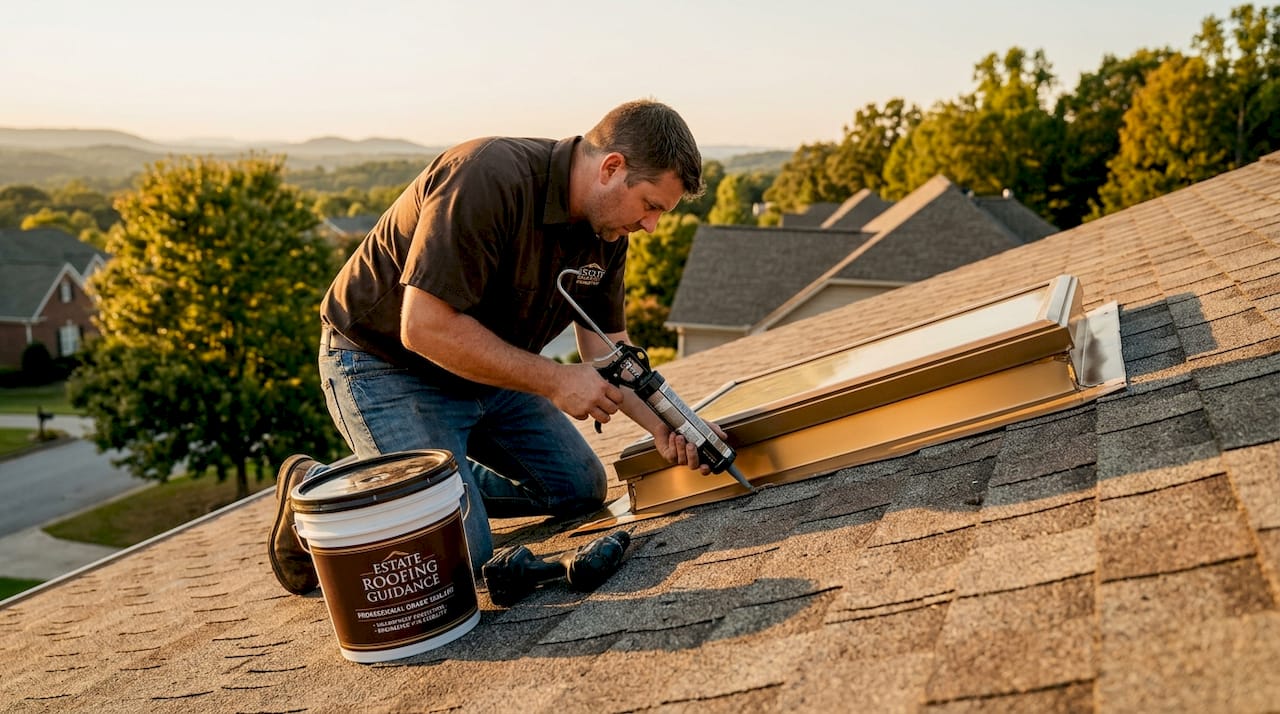
Roof penetrations are the single highest-risk locations for leaks. Vents, chimneys, skylights, HVAC lines, and pipe boots create gaps in your roof surface that sealants and metal flashings must close. Inspecting these penetrations regularly for cracked caulk, lifted flashing, or missing sealant is one of the most cost-effective tips for waterproofing roofs you can follow.
Use a sealant rated for outdoor UV exposure and temperature cycling. In North Georgia’s climate, low-modulus silicone sealants perform well because they flex with the roof’s movement through heat and cold cycles without cracking. Reapply or inspect these areas every one to two years, especially after heavy storm seasons.
6. Granular roof coatings and cool roof products
Granular roof coatings add a textured, reflective surface to flat and low-slope roofs. They combine waterproofing with solar reflectance, which reduces the heat load on your attic and living spaces. In North Georgia summers, that matters. A dark, uncoated flat roof can reach surface temperatures over 150°F, accelerating material breakdown.
Look for products with CRRC certification, which is the standard referenced by U.S. energy codes. CRRC-rated cool roofs meet verified Solar Reflectance Index thresholds rather than relying on marketing claims. However, cool roof reflectance degrades over time from dust, biological growth, and UV exposure, so plan for periodic cleaning and recoating to keep them performing.
7. Modified bitumen systems
Modified bitumen is a heavy-duty asphalt-based membrane reinforced with fiberglass or polyester for added strength. It works well on low-slope roofs and is available in torch-applied, cold-applied, and self-adhering versions. The cold-applied and self-adhering versions are safer for residential applications because they eliminate open flame on your roof.
For North Georgia flat roofs on home additions, sunrooms, or commercial sections of a building, modified bitumen offers solid performance in a mid-range price tier. It handles foot traffic better than most coatings and provides strong puncture resistance, which counts if you have HVAC technicians accessing the roof regularly.
8. Cementitious and crystalline waterproofing
Cementitious waterproofing is a rigid, cement-based coating used primarily on concrete and masonry surfaces. If you have a poured concrete flat roof or a parapet wall with water intrusion problems, this approach can be very effective. It does not work on flexible substrates like asphalt shingles or metal because it cracks with movement.
Crystalline additives within some of these systems actually grow into concrete pores over time, improving impermeability as the roof ages. This is a niche product for the right application, not a general solution for residential roofing. Know where it fits before you consider it.
9. Comparing your options at a glance
Choosing the right system is easier when you can see the tradeoffs side by side.
| Method | Lifespan | Relative cost | UV resistance | Best for |
|---|---|---|---|---|
| Silicone coating | 15 to 25 years | Medium | Excellent | Flat, low-slope roofs |
| Acrylic coating | 10 to 15 years | Low to medium | Good | Sloped shingle roofs |
| Polyurea membrane | 15 to 25 years | Higher | Excellent | Commercial, flat roofs |
| EPDM sheet membrane | 20 to 30 years | Medium | Good | Flat residential roofs |
| TPO / PVC membrane | 15 to 25 years | Medium to high | Excellent | Flat roofs, heat climates |
| Modified bitumen | 15 to 20 years | Medium | Moderate | Low-slope roofs |
| Ice and water shield | 25 to 30 years | Low | N/A | Under shingles, valleys |
Pro Tip: Ask for manufacturer warranty documentation, not just a contractor’s verbal promise. Products backed by a 15 to 25 year transferable warranty add real value if you sell the home.
10. Step-by-step preparation and application process
Getting weatherproofing materials on the roof is only part of the job. How you prepare the surface and time the application determines whether it lasts two years or twenty. Surface preparation quality is the biggest factor in seal longevity, more than product choice alone.
Follow this process for any liquid coating or sealant application:
- Inspect the entire roof for cracked shingles, lifted flashing, open penetrations, and standing water areas. Document every issue before starting.
- Clean the surface thoroughly. Remove dirt, algae, moss, and old failed sealant. A clean, dry surface bonds far better than a contaminated one.
- Make structural repairs first. Do not coat over damaged decking, rotted wood, or lifted shingles. Fix the underlying problems before waterproofing.
- Dry the surface completely. Moisture under a coating traps water and causes bubbling or adhesion failure. Wait after any rain before application.
- Seal all penetrations and flashings first. Work from penetrations outward. This is where leaks originate.
- Apply primer if required. Many liquid membranes need a primer coat on porous or metal surfaces for proper bonding.
- Apply the main coating in two passes. Cross-hatch your application direction to avoid thin spots and pinholes.
- Check ambient conditions. Sealants cure best at temperatures between 40°F and 100°F. Cold weather doubles cure time; early rain can wash out an uncured product entirely.
- Allow full cure before rain. Check the product’s specific cure window and plan your application around the North Georgia forecast.
Pro Tip: Schedule applications in mid-morning after dew has burned off but before afternoon thunderstorms build. North Georgia’s summer weather pattern makes this timing window consistent and predictable.
11. Maintenance and additional enhancements for North Georgia roofs
Even the best weatherproofing system degrades without regular care. Here is what ongoing maintenance looks like for a North Georgia roof:
- Clean gutters twice a year, at minimum. Clogged gutters push water back under the eave edge, which defeats even well-installed ice and water shield.
- Inspect after every significant storm. North Georgia gets strong thunderstorms and occasional damaging wind events. A quick visual inspection catches lifted shingles and displaced flashing before they become interior damage.
- Check sustainable roofing options periodically. Cool roof coatings need recoating every five to ten years depending on product and exposure.
- Clear biological growth promptly. Algae and moss hold moisture against your roof surface and accelerate deterioration. Clean them with appropriate roof-safe treatments, not high-pressure washing that strips granules.
- Know when to call a professional. Persistent leaks after DIY repairs, widespread granule loss on shingles, or sagging anywhere on the roof are signs that a licensed contractor needs to assess the situation. Licensed roofing contractors carry liability coverage and spot issues that are easy to miss from the ground.
My take: what actually works versus what sounds good
I’ve inspected a lot of roofs across North Georgia, and the pattern I see most often is homeowners who invest in a quality coating but skip the prep work. The coating peels in two seasons and they blame the product. The product was fine. The surface was dirty, damp, or had failed sealant underneath.
What I’ve also learned is that homeowners tend to focus on the big visible areas and ignore the details. They coat the flat section of a roof and leave a cracked boot around a plumbing vent untouched. Three months later, water is running into the attic, and it has nothing to do with the main roof surface. Roof leak risks are highest at penetrations, seams, and terminations. A thorough approach to those specific points gives you more protection than a full-surface coating applied over ignored details.
My honest recommendation: invest in a professional inspection before any weatherproofing project. A good inspector will tell you what needs repair first, which saves you from sealing problems in rather than out. Then use quality materials with documented warranty terms, time your application correctly, and set a maintenance calendar. That combination outperforms any shortcut every time.
— Dan
Ready to protect your North Georgia roof?
At Ir-ga, we work with homeowners across North Georgia every day who need honest assessments and quality work. Whether you are dealing with storm damage that needs to be addressed now or you want to get ahead of future weather events with proper waterproofing, we have you covered.

Our licensed and insured team provides thorough roof inspections, repair, and full storm damage repair services across the region. If you are unsure whether to repair or replace, our guide on repair vs. replacement for North Georgia homeowners walks you through the decision clearly. We also help with insurance claim support if storm damage is involved. Contact Ir-ga today for a fast estimate and same-day response.
FAQ
What are the most effective ways to weatherproof a roof?
Liquid-applied coatings like silicone or polyurea, ice and water shield underlayment, and targeted sealants at penetrations and flashings form the most effective layered system for most roofs in North Georgia.
How long does roof weatherproofing last?
With proper surface preparation and maintenance, liquid-applied coatings last between 10 and 25 years. Sheet membranes like EPDM can last 20 to 30 years with routine inspection and minor repairs.
Can I waterproof my roof myself?
Simple sealant work around penetrations and acrylic coating applications on sloped roofs are within reach for careful DIYers. Sheet membrane installation, modified bitumen, and any flat roof system with complex detailing are best left to licensed professionals.
How do I know if my roof needs weatherproofing?
Look for water stains on interior ceilings, granule loss in gutters, visible cracking around flashings, and any lifted or missing shingles. After a heavy North Georgia storm, check your attic for daylight or moisture before assuming the roof is fine.
Does weatherproofing help with energy costs?
Yes. CRRC-rated cool roof coatings and TPO or PVC membranes reflect solar heat and can meaningfully reduce attic temperatures and cooling loads during North Georgia’s long, hot summers.