Common roofing mistakes are installation, material choice, and maintenance errors that cause leaks, premature damage, and costly repairs that could otherwise be avoided. Improper flashing and ventilation issues account for the majority of preventable long-term roof problems, making them the most expensive errors a homeowner can overlook. With the national average roof replacement running around $9,515 in 2026, the stakes are real. The good news is that most of these errors are entirely preventable with the right knowledge and a trusted professional on your side.
1. Common roofing mistakes that lead to the most damage
Before getting into each specific error, it helps to understand what connects them. The most damaging roofing mistakes share one trait: they are invisible at first. Water infiltrates slowly, wood rots quietly, and shingles degrade from the inside out. By the time you see a stain on your ceiling, the damage has usually been building for months or years. Knowing what to watch for puts you ahead of the problem.
2. Improper flashing installation
Flashing errors are the single most common cause of active roof leaks. Flashing is the thin metal material that seals transitions between your roof and vertical surfaces like chimneys, skylights, and walls. When it is installed incorrectly, water finds its way in at every vulnerable point.
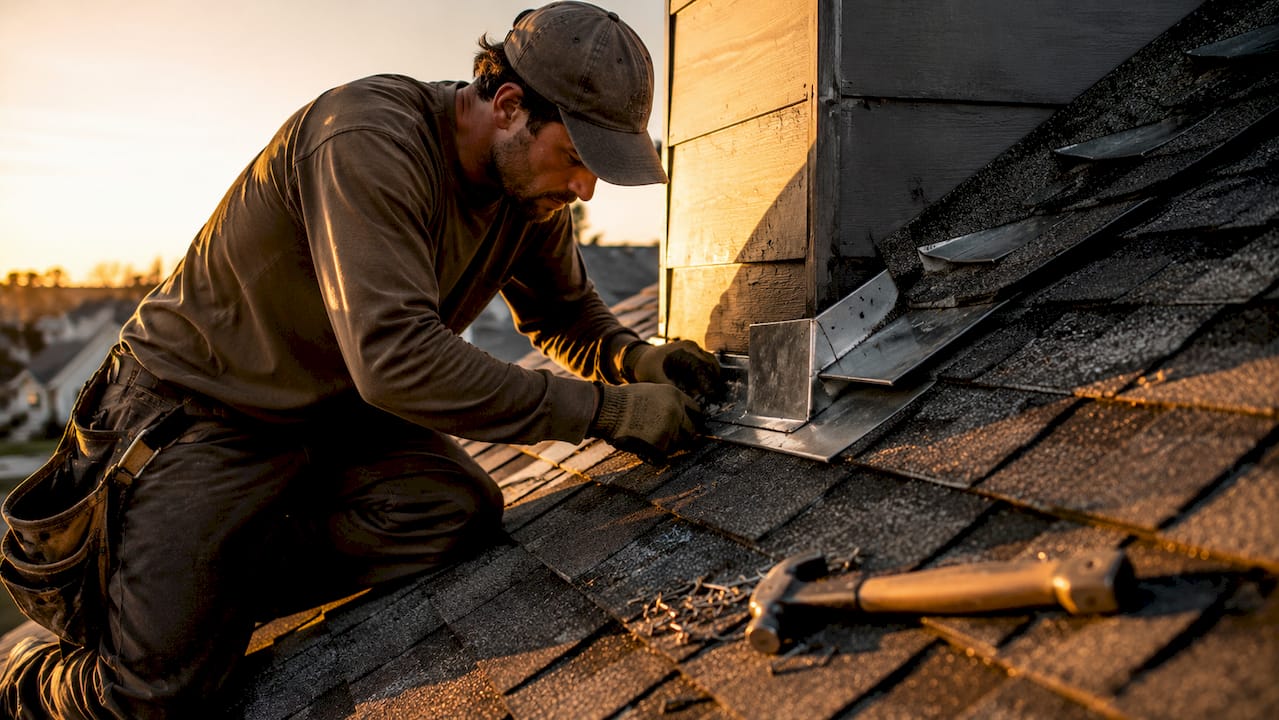
The most frequent flashing error involves step flashing. Step flashing not properly interwoven with shingles, or counter-flashing not embedded into mortar joints, creates gaps that funnel water directly into the roof deck. These leaks often appear far from the actual entry point, making them difficult to trace without professional help.
Pro Tip: If you are hiring a contractor, ask specifically how they plan to handle flashing at every roof transition point. A vague answer is a red flag. Check the contractor questions checklist before signing any agreement.
3. Inadequate attic ventilation
Poor attic ventilation is one of the most misunderstood roofing errors to avoid. Without proper airflow, heat and moisture build up in the attic space and attack your shingles from below. This causes shingles to blister, curl, and age years ahead of schedule.
In colder climates, inadequate ventilation also causes ice dams. Warm air escaping through the roof deck melts snow, which then refreezes at the cold eaves and backs up under shingles. The result is water damage to walls, insulation, and ceilings. Proper ridge and soffit ventilation prevents both problems at once.
4. Choosing the wrong roofing materials for your climate
Climate is the foundational variable in any roofing material decision. Ignoring it leads to underperformance even when installation is technically correct. A material that thrives in the dry Southwest can fail rapidly in the humid, freeze-thaw conditions of North Georgia.
Here is how common materials compare across key factors:
| Material | Avg. lifespan | Best climate fit | Cost per sq ft |
|---|---|---|---|
| 3-tab asphalt shingles | 15 to 20 years | Mild, low-wind regions | $3.50 to $5.50 |
| Architectural shingles | 25 to 30 years | Most climates | $4.50 to $7.50 |
| Metal roofing | 40 to 70 years | High wind, heavy rain | $7.00 to $14.00 |
| Clay or concrete tile | 50+ years | Hot, dry climates | $10.00 to $18.00 |
Choosing climate-matched roofing materials also qualifies some homeowners for insurance discounts, particularly in storm-prone areas. That benefit alone can offset a portion of the higher upfront cost for premium materials.
Pro Tip: For North Georgia homes, architectural shingles or metal roofing offer the best balance of durability and cost given the region’s humidity, heat, and storm exposure. Read more about sustainable roofing options suited to the local climate.
5. Prioritizing low upfront cost over material quality
Prioritizing low installation costs consistently leads to higher total ownership costs through more frequent repairs and shortened roof lifespans. This is one of the most common roofing problems homeowners create for themselves without realizing it.
A 3-tab shingle roof installed cheaply may need replacement in 12 to 15 years. An architectural shingle roof installed correctly can last 25 to 30 years. Over a 30-year period, the cheaper option often costs more in total. Factor in labor, disposal fees, and the disruption of a second replacement, and the math becomes clear.
6. Installing new shingles over damaged decking or multiple layers
Overlaying new shingles over existing ones is a shortcut that creates serious long-term problems. Adding multiple shingle layers increases the dead load on your roof structure, hides damaged or rotted decking underneath, shortens the new roof’s lifespan, and often voids manufacturer warranties.
Most roofing manufacturers require a clean deck for their warranty to apply. If a contractor recommends layering without inspecting the decking first, that is a sign to look elsewhere. A full tear-off costs more upfront but protects your investment and keeps your warranty intact.
7. Incorrect nail placement on shingles
Nail placement is a detail that separates a professional installation from a risky one. Misplaced nails on shingles cause wind uplift and water infiltration over time, and the damage is rarely visible immediately after installation. Nails placed too high on a shingle miss the reinforced nailing zone, leaving the shingle held by far less than its rated wind resistance.
This mistake is especially dangerous in storm-prone areas. A roof that looks perfect after installation can lose shingles in the first major wind event if nails were placed incorrectly. This is one reason why a professional roof inspection within the first year of a new roof is worth every dollar.
8. Neglecting regular roof inspections
Experts recommend at least one professional inspection yearly, ideally twice per year in spring and fall, plus after any severe weather event. Most homeowners skip this entirely until they notice a problem. By then, minor issues have often become major repairs.
A professional inspection catches flashing gaps, lifted shingles, blocked ventilation, and early signs of deck rot before they compound. The cost of an annual inspection is a fraction of what a single water damage repair runs. Think of it as routine maintenance, not an optional expense.
9. Poor gutter maintenance
Gutters are part of your roofing system, and neglecting them causes damage that extends well beyond the gutters themselves. Clogged gutters cause water backup, roof rot, mold growth, and ice dams in winter. Water that cannot drain properly pools at the eaves and works its way under shingles.
Clean your gutters at minimum twice per year, once in late spring and once in late fall after leaves have dropped. In North Georgia, where pine needles and debris accumulate quickly, quarterly cleaning is a smarter schedule. Downspouts should direct water at least four feet away from the foundation.
10. DIY repairs without the right expertise
Attempting roof repairs without professional training creates new problems while trying to fix existing ones. Homeowners who walk on roofs without proper technique can crack shingles, compress insulation, and damage flashing. Patching a leak incorrectly often redirects water rather than stopping it.
Beyond the physical risks, DIY repairs can void warranties and complicate insurance claims. If you file a storm damage claim and the insurer finds evidence of unpermitted or improper repairs, coverage can be reduced or denied. Hiring a licensed roofing contractor protects both your roof and your claim.
11. Delaying necessary roof replacement
Delaying a roof replacement past its useful life is one of the costliest mistakes in roof maintenance. A roof that has exceeded its lifespan does not just leak. It allows moisture into the decking, insulation, and framing, creating rot and mold that can cost far more to remediate than the replacement itself would have.
Watch for these signs that replacement is overdue:
- Shingles that are curling, cracking, or missing in multiple areas
- Granule loss visible in gutters or at downspout outlets
- Daylight visible through the attic boards
- Sagging or soft spots on the roof deck
- Persistent leaks after repeated repairs
“The most expensive roof is the one you keep patching past its prime. Every repair on a failing roof is money spent delaying the inevitable while the damage underneath grows.”
If your roof is showing multiple signs from this list, consult a professional about repair versus replacement before the decision gets made for you by a major storm.
12. Skipping weatherproofing and seasonal preparation
North Georgia homeowners face a specific set of seasonal stressors: summer heat, heavy spring storms, and occasional winter ice events. Skipping seasonal preparation leaves your roof exposed to damage that proper weatherproofing would prevent. This includes sealing around penetrations before winter, clearing debris before storm season, and checking ventilation before summer heat peaks.
Spring and fall are critical times for roof assessment because they bracket the two most damaging seasons. A quick professional walkthrough in March and October catches the issues that summer heat and winter cold would otherwise exploit. Pair that with proven weatherproofing practices and your roof will handle North Georgia’s climate far better over its full lifespan.
Key takeaways
Avoiding common roofing mistakes requires choosing climate-appropriate materials, hiring qualified contractors, and committing to regular inspections before small problems become structural failures.
| Point | Details |
|---|---|
| Flashing is the top leak source | Improper flashing at transitions causes most active leaks; always verify installation method. |
| Material choice drives long-term cost | Cheap materials cost more over time; match material to your local climate and roof slope. |
| Ventilation protects from the inside out | Poor attic airflow degrades shingles and causes ice dams; check ridge and soffit vents annually. |
| Inspections catch silent failures | Schedule professional inspections twice yearly and after every major storm event. |
| Delay multiplies damage | A roof past its useful life spreads moisture damage to decking, framing, and insulation. |
What I’ve learned after years of watching roofs fail too soon
I have seen the same pattern repeat itself across hundreds of North Georgia homes. A homeowner gets a low bid, skips the inspection, and figures the roof looks fine from the driveway. Three years later, they are dealing with a rotted deck, a denied insurance claim, and a bill that dwarfs what a quality installation would have cost.
The temptation to cut costs upfront is understandable. Roofing is expensive, and the damage from a bad decision is not always immediate. But silent installation failures like blocked ventilation or misplaced nails do their worst work quietly, over years, before you ever see a water stain. By the time the problem is visible, the repair scope has already doubled.
What I tell every homeowner is this: the roof is the one system in your house where the consequences of a mistake are both hidden and compounding. A bad HVAC installation is uncomfortable. A bad roof installation is structural. Invest in the right materials for your climate, hire a contractor who can explain exactly how they handle flashing and ventilation, and schedule inspections the same way you schedule an oil change. That discipline is what separates a 30-year roof from a 12-year headache.
— Dan
Protect your roof with Ir-ga’s expert services
Ir-ga has served North Georgia homeowners since 2018, and we have seen firsthand what happens when roofing mistakes go unaddressed. Whether you are dealing with a suspected leak, storm damage, or a roof that is simply overdue for a professional look, our licensed and insured team is ready to help.

We offer expert roof inspections, professional flashing and ventilation repairs, and full roof replacements using premium materials matched to North Georgia’s climate. If a storm has already caused damage, our storm damage repair service includes full insurance claim management with a high approval rate. For homeowners weighing their options, our step-by-step repair guide walks you through what to expect at every stage. Get your same-day estimate today and protect the investment you have made in your home.
FAQ
What is the most common cause of roof leaks?
Improper flashing installation is the single most common cause of active roof leaks. Flashing failures at chimneys, skylights, and wall transitions allow water to enter the roof system at its most vulnerable points.
How often should I have my roof inspected?
Professional inspections should happen at least once per year, ideally in both spring and fall, plus after any severe weather event. Regular inspections catch hidden issues before they become costly repairs.
Can I install new shingles over my existing roof?
Overlaying new shingles over old ones is not recommended. It hides damaged decking, adds structural load, shortens the new roof’s lifespan, and typically voids manufacturer warranties. A full tear-off is the correct approach.
How do I know if my roofing material is wrong for my climate?
Signs include premature cracking, blistering, or granule loss that appears within the first few years of installation. Matching material to local climate conditions is the single most important factor in long-term roof performance.
When does a roof need replacement instead of repair?
A roof needs replacement when it shows widespread shingle failure, sagging deck areas, persistent leaks after multiple repairs, or has exceeded its rated lifespan. Patching a structurally compromised roof delays the inevitable and allows hidden damage to grow.