The roof warranty claim process is the structured procedure homeowners and property managers use to document damage, identify the correct warranty type, and submit a formal request to a manufacturer or contractor for covered repairs or replacement. Getting this process right separates approved claims from denied ones. Manufacturers like GAF and Owens Corning have specific submission requirements, and missing even one step can void an otherwise valid claim. This guide walks you through every stage, from identifying your warranty type to handling a denial, so you get the coverage you paid for.
What types of roof warranties cover your home?
Two distinct warranty types govern most residential roofing systems, and knowing which one applies to your situation determines who you contact and what you can claim.
Manufacturer warranties cover material defects in shingles and roofing components. GAF’s Lifetime Limited Warranty and Owens Corning’s Duration Series warranty are two of the most common examples. These warranties cover situations where the materials themselves fail prematurely, such as shingles cracking, granule loss, or underlayment delamination. They do not cover damage caused by improper installation.
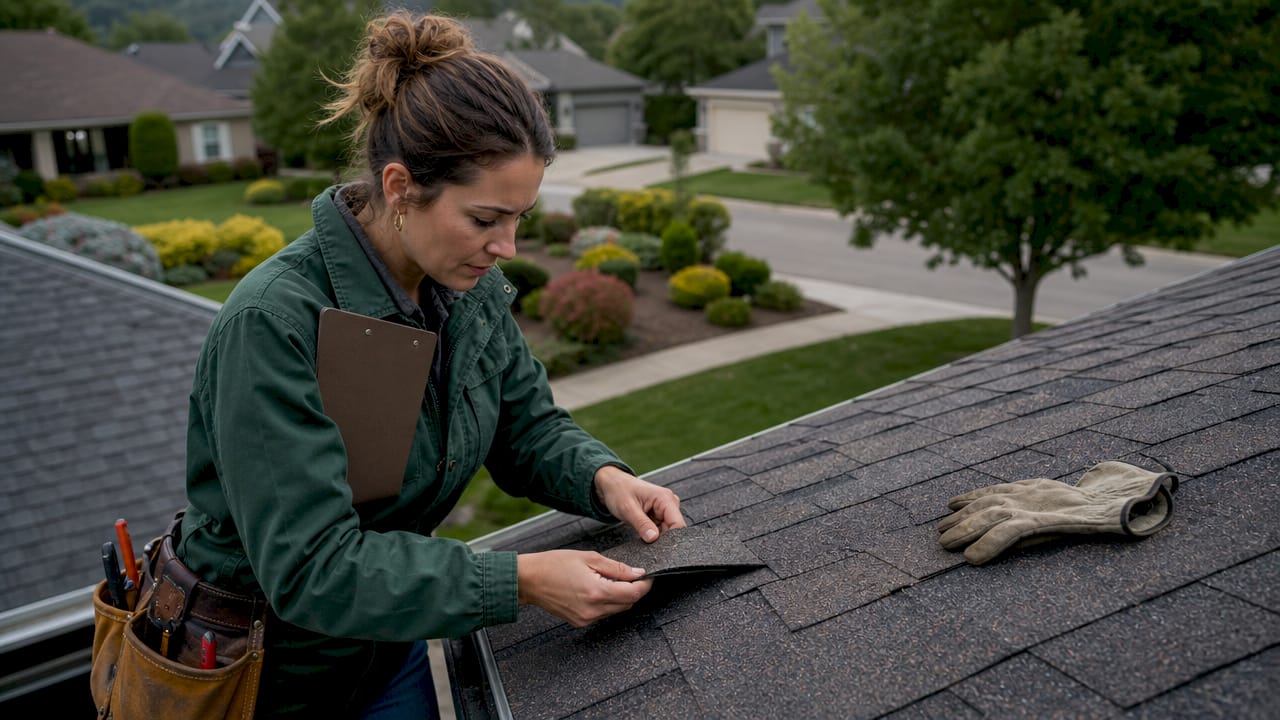
Workmanship warranties are issued by the roofing contractor and cover errors made during installation. If your contractor failed to properly seal flashing or left gaps in the underlayment, a workmanship warranty is the correct claim path. These warranties typically run 1 to 10 years, depending on the contractor and their certification level.
Here is a direct comparison of the two warranty types:
| Feature | Manufacturer warranty | Workmanship warranty |
|---|---|---|
| Issued by | GAF, Owens Corning, CertainTeed | Roofing contractor |
| Covers | Material defects | Installation errors |
| Typical term | 25 years to lifetime | 1 to 10 years |
| Who inspects | Manufacturer’s authorized inspector | Contractor or third party |
| Registration required | Yes, within 60 to 90 days | Varies by contractor |
Registration timing is one of the most overlooked requirements in roof warranty procedures. Many manufacturers require registration within 60 to 90 days post-installation to qualify for premium coverage tiers. Miss that window and your warranty defaults to a shorter, less protective standard term. When you have a new roof installed, confirm registration immediately with your contractor and request written confirmation.
Key facts to verify about your warranty status:
- Locate your warranty certificate in your closing documents or request a copy from your contractor
- Check whether your warranty was registered with the manufacturer by logging into GAF’s or Owens Corning’s online portals
- Confirm the warranty term length and any exclusions listed in the fine print
- Note whether your contractor holds a certified designation such as GAF Master Elite or Owens Corning Platinum Preferred, since registered warranties with premium coverage offer longer terms and more comprehensive claim benefits
How to prepare your documentation before filing
Strong documentation is the single biggest factor in claim approval. Successful claims require high-resolution, dated photos, the original installation invoice, and the warranty certificate. Gathering these before you contact anyone saves time and prevents back-and-forth delays.
Here is what you need to collect before filing a roof damage claim:
- Warranty certificate: The original document issued at installation, showing coverage terms and the manufacturer or contractor name
- Installation invoice: Proof of the installation date, materials used, and the contractor who performed the work
- Registration confirmation: Email or letter confirming your warranty was registered within the required window
- Dated photographs: High-resolution images taken from multiple angles showing the specific damage. Use your phone’s timestamp feature or photograph a newspaper with the current date in frame
- Professional inspection report: A licensed inspector’s written assessment adds authoritative validation that strengthens your claim considerably
- Maintenance records: Receipts, invoices, or service logs showing you have kept up with routine roof maintenance
Maintenance records deserve special attention. Failure to produce documented maintenance history often results in claims being rejected, even when a material defect is clearly visible. Manufacturers include maintenance requirements in their warranty terms, and they will use missing records as grounds for denial.
Pro Tip: Create a dedicated physical folder or digital folder labeled “Roof File” and store every document related to your roof in it from day one. Include the original contract, warranty certificate, inspection reports, maintenance receipts, and any written communications with your contractor or manufacturer. This single habit removes most of the friction from the claim process.
Step-by-step process to file a roof warranty claim
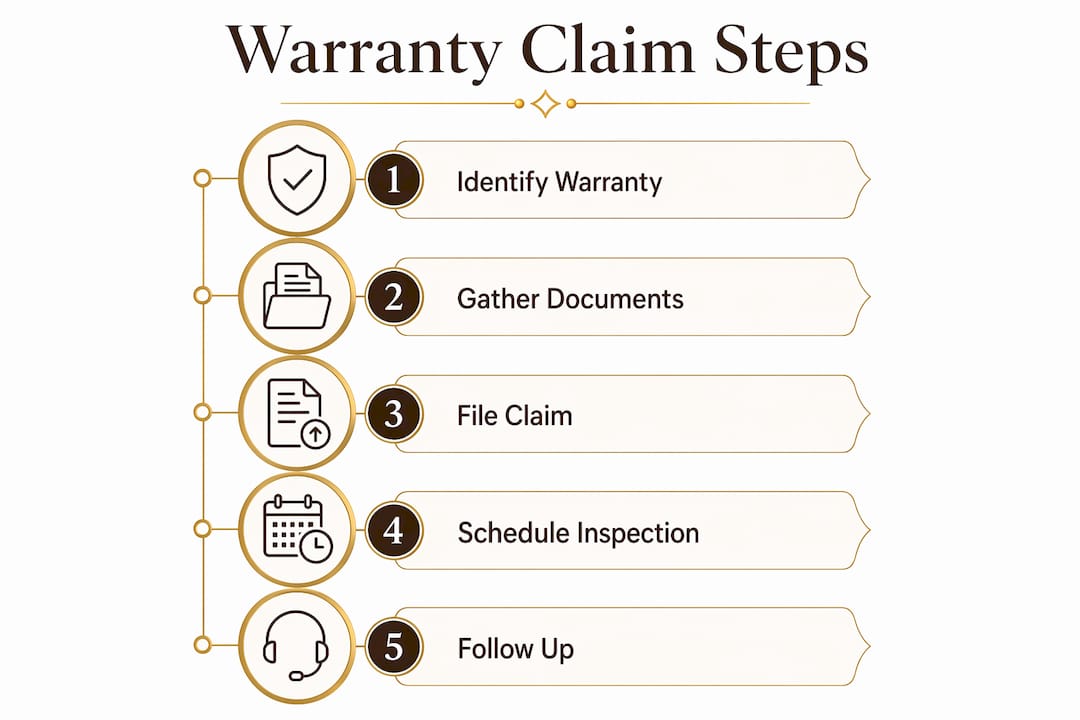
Filing the claim correctly from the start prevents delays and protects your rights. Follow these steps in order.
-
Identify the defect type. Determine whether the problem is a material defect or an installation error. Granule loss, cracking shingles, and premature aging point to manufacturer defects. Leaks around flashing, improper nail placement, or poor sealing point to workmanship issues.
-
Contact the right party directly. Most homeowners incorrectly contact contractors first for material defects. Manufacturer warranties require you to contact the manufacturer directly. Call or submit through their official online portal. For workmanship claims, contact your contractor in writing.
-
Submit your documentation package. Attach your warranty certificate, installation invoice, registration confirmation, dated photos, and inspection report. Incomplete submissions are the most common reason for processing delays.
-
Schedule the inspection. Manufacturers send their own authorized inspectors to verify the defect. Contractors may send a representative or hire a third party. Be present during the inspection and take your own photos of what the inspector examines.
-
Track your claim number and timeline. Manufacturer responses generally take 30 to 45 business days. Contractor workmanship inspections typically occur within 14 to 30 days. Write down your claim number and the date you submitted.
-
Follow up in writing. If you have not received a response within the stated timeframe, send a written follow-up via email or certified mail. Written records protect you if the claim is later disputed.
What happens if your contractor is no longer in business? This is more common than most homeowners expect. If your contractor held a certification like GAF Master Elite or Owens Corning Platinum Preferred, many manufacturer-backed warranties require the manufacturer to step in and honor workmanship coverage through their own certified contractors. Contact the manufacturer directly and explain the situation in writing.
| Claim type | Who to contact | Expected response time |
|---|---|---|
| Material defect | Manufacturer (GAF, Owens Corning) | 30 to 45 business days |
| Workmanship defect | Original contractor | 14 to 30 days |
| Contractor out of business | Manufacturer (certified program) | Varies by program |
For homeowners dealing with storm-related damage alongside warranty issues, reviewing a roof insurance claim guide can help you understand how insurance and warranty coverage interact.
How to follow up and handle claim denials
A denial is not the end of the road. Most denials come from fixable documentation gaps, and a well-prepared appeal often reverses the decision.
The most common reasons claims are denied include:
- Missing or incomplete maintenance records
- Late filing outside the warranty’s claim window
- Damage attributed to improper maintenance rather than a covered defect
- Failure to register the warranty within the required timeframe
- Damage caused by an excluded event such as a hurricane or hail (which falls under homeowner’s insurance, not warranty coverage)
When you receive a denial, request a written explanation immediately. The written denial must specify the exact reason coverage was refused. This document becomes your roadmap for the appeal. If the denial cites missing maintenance records, gather whatever records you do have and supplement them with a statement from a licensed inspector confirming the roof was in reasonable condition.
Pro Tip: If you believe your claim was wrongly denied, hire an independent licensed roofing inspector before filing your appeal. An independent report that contradicts the manufacturer’s inspector carries real weight in disputes and costs far less than legal action.
For appeals that remain unresolved, you have several escalation options. You can file a complaint with your state’s contractor licensing board if the workmanship warranty is in dispute. You can also consult a construction attorney, particularly if the claim value is significant. Contacting your state’s insurance commissioner is appropriate if the warranty was sold as part of an insurance-backed product. Understanding how home insurance claims for roof repairs work alongside warranty claims can also clarify which coverage applies to your specific situation.
Key takeaways
A successful roof warranty claim depends on identifying the correct warranty type, submitting complete documentation, contacting the right party, and following up consistently within the stated timelines.
| Point | Details |
|---|---|
| Know your warranty type | Manufacturer warranties cover material defects; workmanship warranties cover installation errors. |
| Register on time | Most manufacturers require registration within 60 to 90 days of installation for full coverage. |
| Document everything | Dated photos, inspection reports, and maintenance records are required for claim approval. |
| Contact the right party | For material defects, go directly to the manufacturer, not the contractor. |
| Appeal denials in writing | Request a written denial explanation and use an independent inspection to support your appeal. |
What I’ve learned from watching homeowners navigate warranty claims
The single biggest mistake I see is homeowners treating the warranty like a passive safety net. They assume it will work when they need it, without ever confirming registration, keeping records, or reading the exclusions. By the time damage appears, the warranty window has closed or the documentation is gone.
The second most common mistake is calling the contractor for everything. When shingles fail prematurely, that is a manufacturer issue. Calling your contractor first adds weeks to the process and sometimes muddies the claim if the contractor inadvertently makes repairs that alter the evidence. Go directly to GAF or Owens Corning with your documentation and let their inspector assess the situation.
What actually works is treating your roof like a financial asset from day one. Keep the file. Schedule annual inspections. Save every receipt. When a claim becomes necessary, you walk in with a complete package and the process moves quickly. I have seen well-documented claims resolved in under 60 days. I have also seen undocumented claims drag on for months and ultimately get denied. The difference is almost always preparation, not the severity of the damage.
If your contractor is no longer operating, do not assume you are out of options. Certified manufacturer programs exist specifically for this situation, and knowing to ask for them is half the battle. When in doubt, get a licensed roofing contractor involved early to assess the damage and provide the professional report that strengthens any claim.
— Dan
How Ir-ga helps North Georgia homeowners with roof claims and repairs
Ir-ga (Infinity Roofing GA) has been serving homeowners across North Georgia since 2018, and we know how stressful it is to deal with roof damage while trying to figure out warranty and insurance paperwork at the same time. We are licensed and insured, and we specialize in storm damage restoration and insurance claim assistance with a high approval rate.

Whether you need a professional inspection report to support your warranty claim, a licensed contractor to document storm damage, or a full roof repair or replacement, our team is ready to help. Start with our storm damage repair guide to understand your next steps, or contact us directly for a same-day response and an honest assessment of your situation.
FAQ
What is the difference between a manufacturer and workmanship warranty?
A manufacturer warranty covers defects in roofing materials such as shingles and underlayment, while a workmanship warranty covers errors made during installation by the contractor. Each requires a separate claim process and a different point of contact.
How long does a roof warranty claim take to process?
Manufacturer warranty claims typically receive a response within 30 to 45 business days, while contractor workmanship claims are usually inspected within 14 to 30 days of submission.
What documents do I need to file a roof warranty claim?
You need your warranty certificate, original installation invoice, registration confirmation, dated high-resolution photos of the damage, and a professional inspection report. Maintenance records are also required by most manufacturers.
Can my warranty claim be denied for lack of maintenance records?
Yes. Missing maintenance records are the most common reason valid warranty claims are denied, even when a material defect is clearly present. Keep all maintenance receipts and service logs from the date of installation.
What should I do if my roofing contractor is out of business?
Contact the manufacturer directly and ask whether your contractor held a certified designation such as GAF Master Elite or Owens Corning Platinum Preferred. Under many manufacturer certification programs, the manufacturer is required to honor workmanship coverage through their own certified network if the original contractor is no longer operating.