Eco-friendly roof cleaning is the process of removing moss, algae, lichen, and dirt using low-impact methods and biodegradable products that protect both your roof structure and the surrounding environment. This guide to eco-friendly roof cleaning covers everything from the right tools and natural cleaning solutions to step-by-step soft washing techniques and long-term prevention strategies. Unlike traditional approaches that rely on sodium hypochlorite or high-pressure washers, green roof cleaning methods preserve your shingles, protect local waterways, and often cost less over time. Whether you manage one property or several, sustainable roof maintenance is one of the most practical investments you can make.
What tools and products do you need for eco-friendly roof cleaning?
The right equipment makes green roof cleaning methods both safer and more effective. You do not need industrial gear. A focused set of tools handles most residential jobs cleanly and without waste.
Core tools to have on hand:
- Low-pressure sprayer (pump or electric, rated under 500 PSI)
- Soft-bristle brush or roof rake for manual debris removal
- Garden hose with adjustable nozzle for rinsing
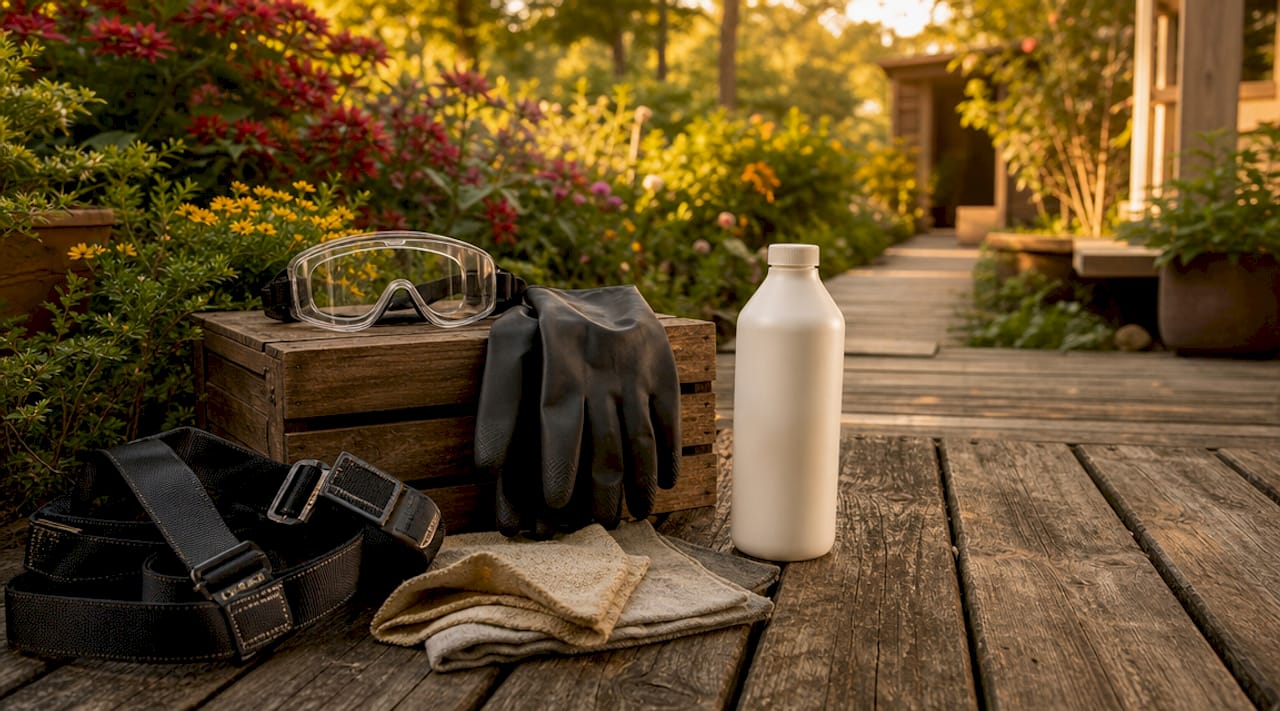
- Safety harness, non-slip footwear, and rubber gloves
- Plastic sheeting or tarps to protect plants and landscaping below
The cleaning agents you choose matter as much as the tools. Sodium percarbonate-based cleaners are the gold standard for eco-friendly roof cleaning. When mixed with water, sodium percarbonate releases oxygen that breaks down organic growth like algae and moss without corroding metal flashings or stripping granules from asphalt shingles. This makes it one of the best eco-friendly roof cleaners available to homeowners today.
| Cleaning Agent | Best Use Case | Safety Profile |
|---|---|---|
| Sodium percarbonate | Algae, moss, lichen on asphalt or tile | Biodegradable, low toxicity |
| White distilled vinegar | Light mildew and surface staining | Non-toxic, safe for plants |
| Citrus-based degreasers | Grease stains, organic buildup | Plant-derived, biodegradable |
| Oxygen bleach (OxiClean) | General organic staining | Safer than chlorine bleach |
| Baking soda solution | Mild moss treatment on flat roofs | Fully natural, very low risk |
Pro Tip: Always wet down surrounding plants and shrubs with plain water before applying any cleaning solution to your roof. This dilutes any runoff and protects your landscaping even when using biodegradable products.
Pair your cleaning agents with proper safety gear. Roof surfaces become slippery when wet, and a fall is far more costly than any cleaning job. A basic safety harness rated for residential use costs under $60 at most hardware stores and is worth every cent.
How to clean your roof eco-friendly: a step-by-step process
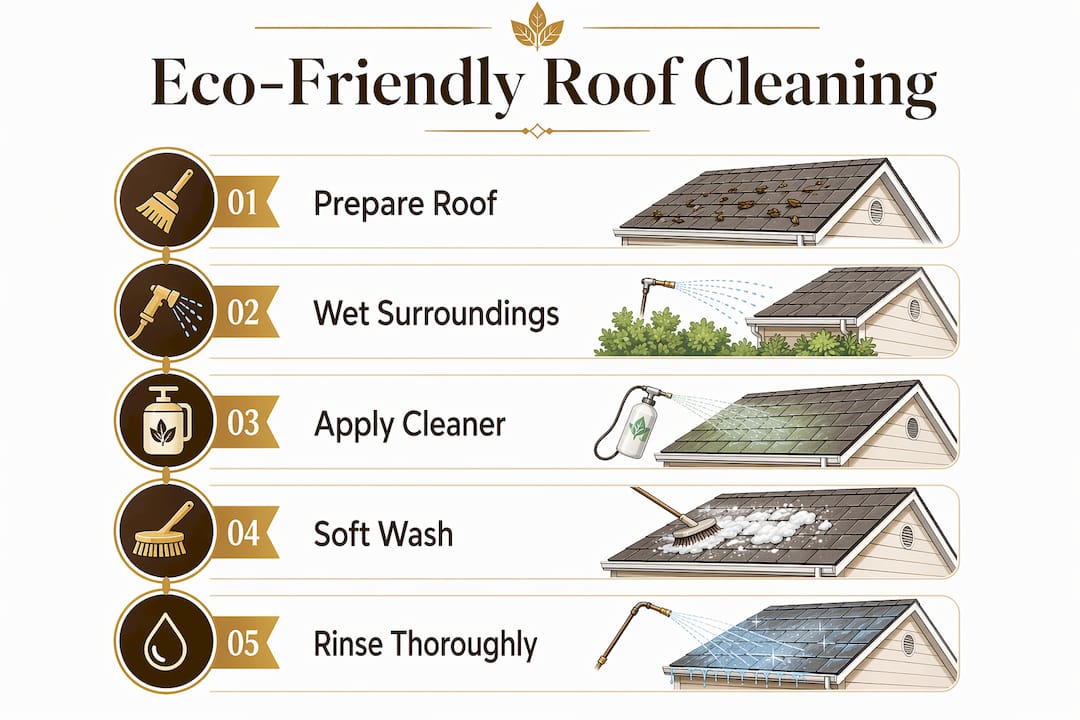
Preparation is the most overlooked part of organic roof cleaning techniques. Skipping it leads to uneven results and wastes product. Follow this sequence for a thorough, low-impact clean.
-
Inspect the roof first. Walk the perimeter and look for cracked or missing shingles, damaged flashing, or soft spots. Cleaning a structurally compromised roof can push water into gaps. Fix any damage before you start.
-
Remove debris manually. Use a soft-bristle brush or roof rake to clear leaves, branches, and loose moss. Manual debris removal before applying any cleaner reduces the amount of product needed and prevents gutter clogging from washed-down organic matter. This step alone cuts chemical usage significantly.
-
Protect the surrounding area. Lay plastic sheeting over garden beds and shrubs directly below the work area. Pre-wet all exposed plants with water.
-
Mix and apply your cleaning solution. Combine sodium percarbonate with water per the product label, typically 1 cup per gallon. Load it into your low-pressure sprayer and apply evenly from the ridge down to the eaves. Work in sections and allow the solution to dwell for 15 to 30 minutes. Do not let it dry on the surface.
-
Use soft washing technique. Soft washing uses low pressure under 500 PSI to apply and rinse cleaning solutions. This is the safest method for asphalt shingles, wood shakes, and tile roofs. High-pressure washing strips granules from shingles and can void manufacturer warranties. Soft washing avoids both problems. For more on this method, the Ir-ga guide on soft wash roof cleaning covers the process in detail.
-
Consider steam cleaning for chemical-free results. Steam cleaning at 200 to 300°F kills algae and moss without any chemicals and produces zero runoff contamination. Results typically last 12 to 24 months in areas with moderate sun exposure. It requires renting or hiring specialized equipment but is the cleanest option available.
-
Rinse carefully. Use your garden hose on a low-flow setting, working from the ridge down. Avoid pooling water near flashings or valleys. Collect and dispose of any visible runoff rather than letting it drain directly into storm sewers.
Pro Tip: Never clean your roof on a hot, sunny day. Heat causes cleaning solutions to evaporate before they can work, and it increases the risk of heat-related illness. Choose a cool, overcast morning for the best results.
Common mistakes to avoid include using chlorine bleach, pressure washing above 500 PSI, and cleaning during dry spells when runoff concentrates near plant roots.
Eco-friendly vs. traditional roof cleaning: which is better?
The comparison is not close once you account for long-term costs and structural impact. Traditional bleach-based cleaners containing sodium hypochlorite harm plants, insects, and local water quality. They also corrode metal roof components like flashings, gutters, and fasteners over time. That corrosion shortens roof lifespan and creates repair costs that far exceed any savings from cheap chemicals.
High-pressure washing causes its own category of damage. Pressure above 1,000 PSI strips the protective granule layer from asphalt shingles, accelerating UV degradation and reducing the roof’s ability to shed water. Many shingle manufacturers, including GAF and Owens Corning, explicitly state in their warranty terms that high-pressure washing voids coverage.
| Factor | Eco-Friendly Methods | Traditional Methods |
|---|---|---|
| Roof material impact | Minimal, preserves granules and coatings | High-pressure strips granules; bleach corrodes metal |
| Environmental impact | Biodegradable, safe for plants and waterways | Toxic runoff harms ecosystems |
| Upfront cost | Moderate (biodegradable products cost more) | Lower initial product cost |
| Long-term cost | Lower due to extended roof lifespan | Higher due to accelerated wear and repairs |
| Warranty compliance | Typically compliant | Often voids manufacturer warranty |
Eco-friendly methods cost more upfront but reduce long-term expenses by prolonging roof life and lowering cleaning frequency. That trade-off favors green methods for any homeowner planning to stay in their property for more than a few years. Avoiding bleach also protects local ecosystems and aligns with responsible environmental stewardship, which matters in communities near streams, wetlands, or protected green spaces.
Many homeowners are also surprised to learn that roof cleaning myths around bleach being the only effective option are simply not accurate. Biodegradable oxygen-based cleaners match bleach for effectiveness on algae and moss when applied correctly.
How do you maintain a clean roof sustainably?
Cleaning your roof once is not enough. Sustainable roof maintenance means building habits that reduce how often a full clean is needed and catch problems before they become expensive.
Inspection schedule:
Inspect your roof twice a year and after any significant storm. Biannual inspections, typically in spring and fall, catch moss and algae growth early when it is easiest to treat. Early detection also helps maintain warranty compliance and prevents minor issues from becoming structural problems.
Preventive treatments that work:
- Zinc or copper strips: Installing zinc or copper strips along the roof ridge is one of the most effective long-term prevention strategies available. Rainwater leaches metal ions down the roof surface, creating an environment where algae and moss cannot establish. One installation protects for years.
- Trim overhanging branches: Tree canopy over a roof creates shade and deposits organic debris, both of which accelerate moss growth. Keeping branches trimmed back at least six feet from the roof surface reduces this significantly.
- Clean gutters regularly: Clogged gutters back up water onto the roof edge, creating the damp conditions that moss and algae thrive in. Clean gutters at least twice a year, or install gutter guards.
- Natural repellent sprays: Light applications of diluted citrus oil or peppermint oil spray along the roof perimeter deter moss and algae between cleanings. These are non-toxic and safe for surrounding plants.
Pro Tip: If you have a green or vegetated roof, standard cleaning methods do not apply. Green roofs require specialized maintenance including soil nutrient testing and irrigation management. Proactive green roof maintenance is the key to keeping vegetation healthy and maintaining the climate and stormwater benefits these systems provide.
For North Georgia homeowners specifically, the humid subtropical climate means algae and moss grow faster than in drier regions. Building a twice-yearly inspection into your calendar, ideally before summer humidity peaks and again before winter, keeps your roof in the best possible condition year-round.
Key takeaways
Eco-friendly roof cleaning with soft washing and biodegradable cleaners like sodium percarbonate protects your roof structure, preserves warranty coverage, and avoids the toxic runoff that bleach-based methods cause.
| Point | Details |
|---|---|
| Soft washing is the safest method | Use under 500 PSI with sodium percarbonate to clean without damaging shingles or voiding warranties. |
| Manual debris removal comes first | Clear leaves and moss by hand before applying any cleaner to reduce chemical use and improve results. |
| Bleach causes long-term damage | Sodium hypochlorite corrodes metal components and harms local ecosystems, making it a poor long-term choice. |
| Prevention reduces cleaning frequency | Zinc strips, trimmed branches, and clean gutters keep roofs cleaner between full treatments. |
| Inspect twice a year | Biannual inspections catch damage early, maintain warranty compliance, and extend roof lifespan. |
Dan’s take on sustainable roof care
I have seen a lot of roofs in North Georgia, and the ones that age best share one thing in common: their owners treat cleaning as maintenance, not a reaction to a problem. By the time moss is thick enough to see from the street, it has already been lifting shingle edges and trapping moisture for months.
The shift to eco-friendly methods is not just about being green, though that matters. It is about using techniques that actually work with your roof’s materials instead of against them. Sodium percarbonate does not care whether your shingles are 5 years old or 20. It breaks down organic growth without stripping the granules that protect your roof from UV damage. Bleach does not offer that same courtesy.
The part most homeowners miss is the prevention side. Installing zinc strips after a cleaning costs very little and extends the time before you need to clean again. That is the kind of low-effort, high-return maintenance that keeps roofs healthy for decades. If you are managing multiple properties, this matters even more because it reduces your total maintenance burden across the board.
My honest advice: do the manual debris removal yourself if you are comfortable on a ladder, but hire a licensed professional for the soft washing application and any repairs you find during inspection. The professional roof cleaning difference is real, especially on steep pitches or older roofs where the margin for error is smaller.
— Dan
Keep your roof in top shape with Ir-ga
Eco-friendly cleaning is a strong first step, but it works best when paired with regular professional inspections and timely repairs. At Ir-ga, we serve homeowners and property managers across North Georgia with licensed, insured roofing services that protect your investment without cutting corners.
If a recent inspection or storm has revealed damage beyond surface cleaning, our team provides fast, honest assessments and quality repairs. We handle everything from minor fixes to full restorations, including storm damage roof repair for properties hit by North Georgia’s severe weather. We also help homeowners understand their options when repair or replacement is the right call. Contact Ir-ga today for a same-day response and an honest quote.
FAQ
What is the safest eco-friendly method for cleaning a roof?
Soft washing with a sodium percarbonate-based cleaner is the safest method. It uses low pressure under 500 PSI and biodegradable chemistry to remove algae and moss without damaging shingles or voiding warranties.
Can I use vinegar to clean my roof?
White distilled vinegar works for light mildew and surface staining but is less effective on heavy moss or algae growth. For more serious buildup, sodium percarbonate or an oxygen-based cleaner delivers better results.
How often should I clean my roof?
Most residential roofs benefit from a full cleaning every two to three years, combined with biannual inspections. Installing zinc or copper ridge strips after cleaning can extend that interval by preventing regrowth.
Does eco-friendly roof cleaning cost more than traditional methods?
The upfront product cost is slightly higher, but eco-friendly cleaning saves money over time by extending roof lifespan and reducing the frequency of full treatments. Avoiding bleach also prevents corrosion repairs on metal components.
Is pressure washing ever safe for roofs?
Standard pressure washing above 1,000 PSI is not safe for most residential roofing materials. Soft washing, which stays under 500 PSI, is the approved alternative that cleans effectively without stripping granules or voiding manufacturer warranties.